Every air conditioner sold in California today runs on a different refrigerant than the one in most Central Valley homes. If your unit was installed before 2025, it almost certainly holds R-410A. If you shop for a new system this year, the equipment you are quoted will use R-454B or R-32. That change has real consequences for repairs, for servicing and for what a refrigerant service call costs.
What actually changed on 1 January 2025?
Two separate things happened, and they are often run together. First, production of R-410A for new equipment stopped. Federal rules and the Kigali Amendment to the Montreal Protocol put limits on the manufacture of refrigerants with a high global warming potential, and R-410A fell inside those limits.
Second, the replacements are classified differently. R-454B and R-32 are A2L refrigerants. A2L means mildly flammable. It does not mean explosive. It means the law now requires certification, specific tools and specific handling procedures before anyone can work with the refrigerant.
So 1 January 2025 is a production and availability date. It is not a cut-off date for the equipment already sitting in your yard.
None of this affects the unit you are running today. Your existing system will not stop working because of a date on a regulation.
What is A2L, and why did the rules change?
Refrigerants are sorted by two things: toxicity and flammability. The A in A2L stands for lower toxicity, so the gas is less harmful to breathe in small amounts than the older R-22. The 2L means it has a lower flammability than the A1 class that R-410A belongs to, but it will still burn if it is released into air with an ignition source nearby.
That middle position is exactly why the rules changed. A2L systems are built with different components, and the refrigerant can only be handled legally by someone with the right certification and the right recovery equipment.
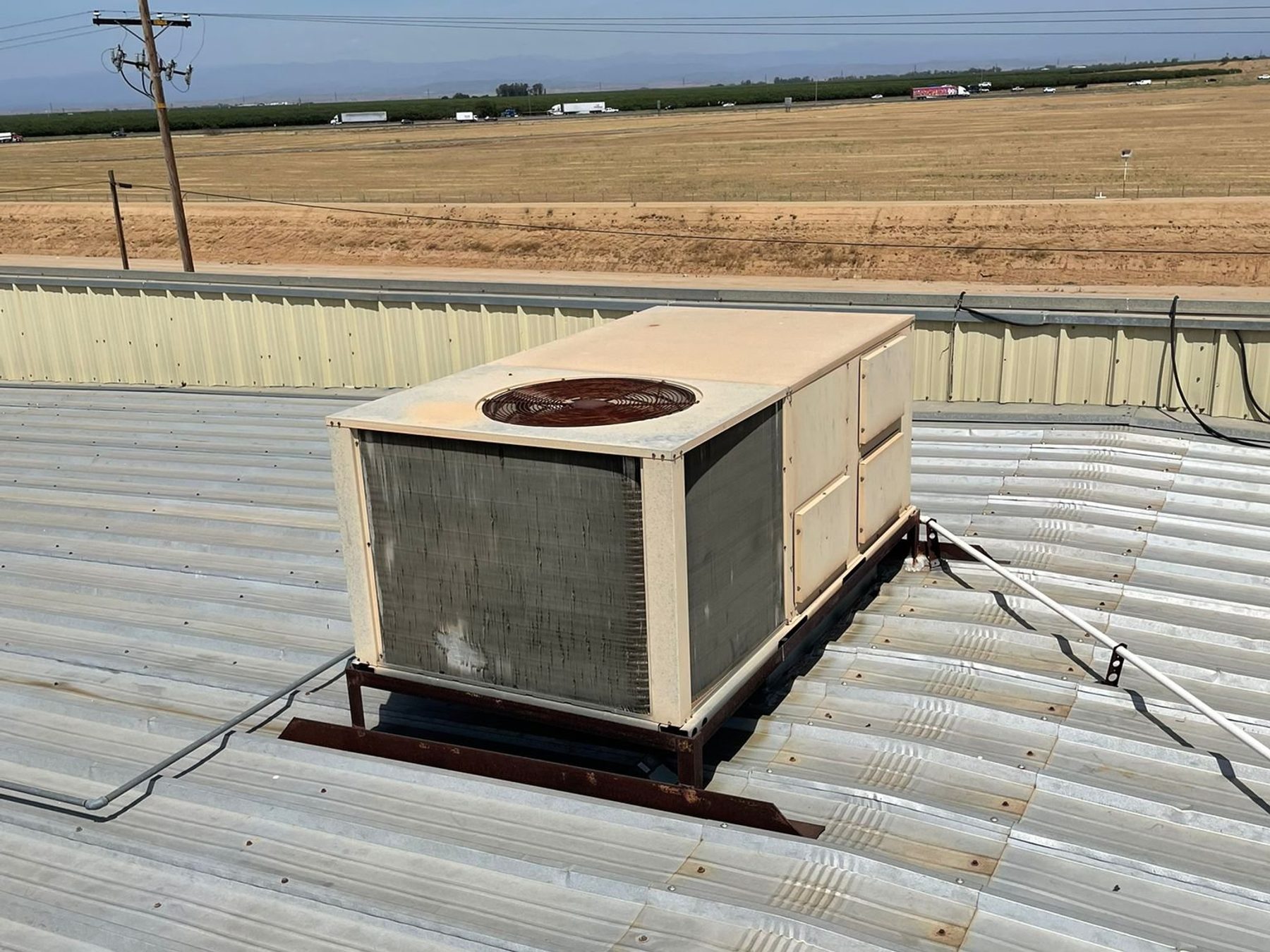
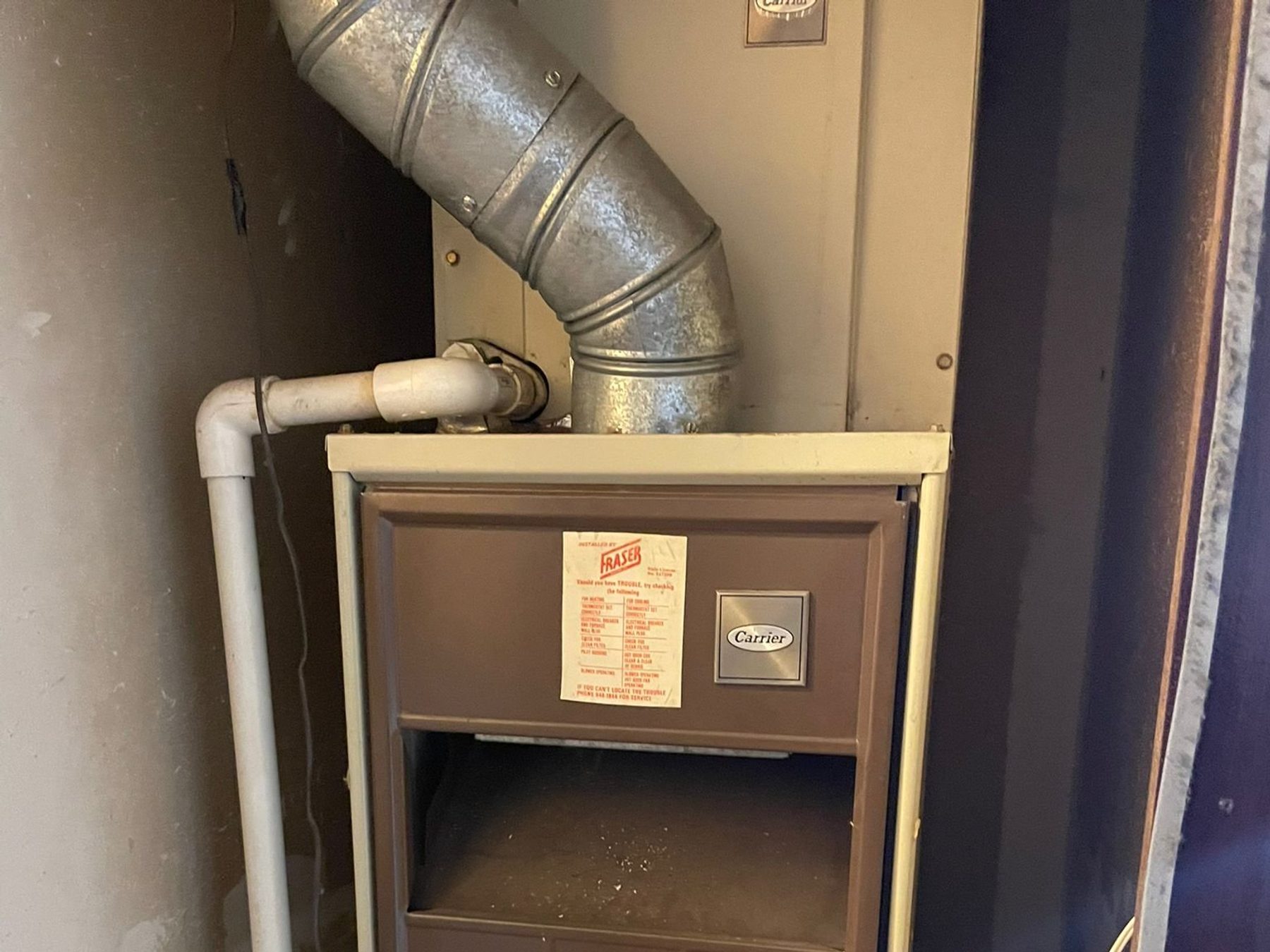
There is one more thing worth knowing. If you want to know what your own system holds, look for a label on the outdoor unit or on the indoor air handler. It normally states the refrigerant by name and the charge weight. If the label is missing or too faded to read, a technician can identify it from the model number, which is another good reason to have the system looked at properly rather than guessed at.
| Refrigerant | Status for new equipment | Flammability class | What it means for you |
|---|---|---|---|
| R-410A | Not produced for new equipment since 1 January 2025 | A1, not flammable | Existing systems keep running and can still be serviced |
| R-454B | The current standard in new residential systems | A2L, mildly flammable | Refrigerant work must be done by a certified technician |
| R-32 | Common in mini-split and heat pump equipment | A2L, mildly flammable | The same handling rules apply |
One point needs making plainly, because it comes up in nearly every call we take about this. R-454B is not a drop-in replacement for R-410A. You cannot mix the two, and you cannot recharge an R-410A system with R-454B. A system designed around one refrigerant has its compressor oil, its pressure ranges and its control settings built for that choice.
What happens to the system you already own?
Your existing system carries on doing its job. The rules affect how new equipment is built and how refrigerant is bought and handled, not whether your old unit still works.
| Your situation | What to expect |
|---|---|
| You have an older R-410A system that works | Keep it and service it as normal. The refrigerant change is not a reason to replace a system that is doing its job |
| Your system is 12 years old and needs repairs most years | Start pricing a replacement. New equipment is A2L based, and the cost of every future service call on an aging system goes up |
| Your system is losing refrigerant and needs a top-up | Expect refrigerant to cost more as supply tightens, and expect the work to be done by a certified technician |
| Your system has lost refrigerant and is near the end of its life | Repairing a system that holds an old refrigerant is often a false economy. Ask us for a free phone consultation for installation guidance on replacement quotes |
Our replacement working-out is simple. Multiply the age of the system by what you spend keeping it going each year. If the total lands close to what replacing it would cost, replacement usually wins. If it is well under, the repair is usually still worth doing. The refrigerant change makes the replace case stronger, because every service call on an aging system gets more expensive.
What a refrigerant service call looks like now
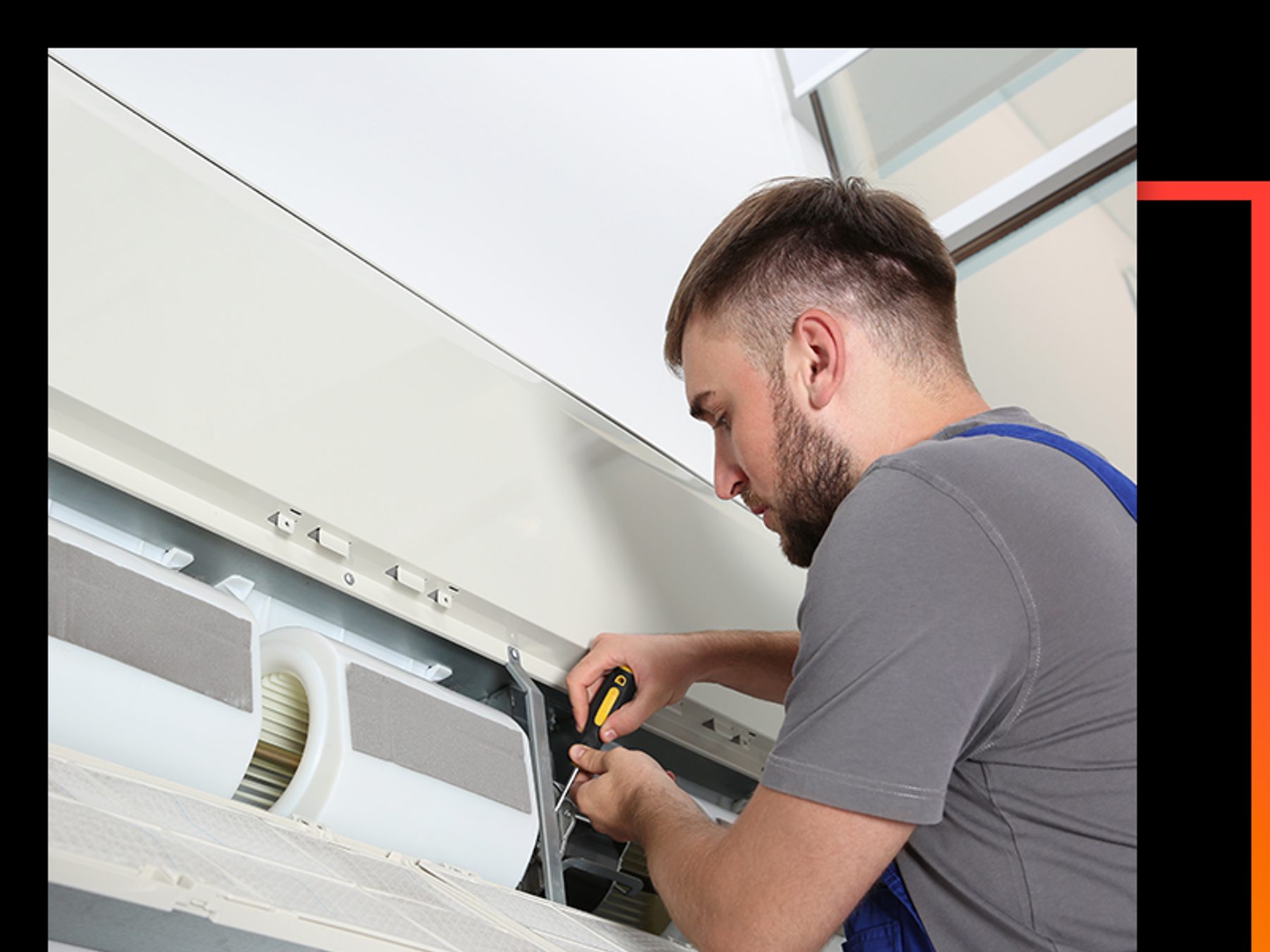
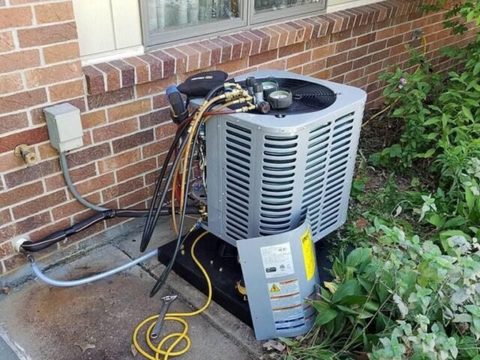
When a technician opens an A2L system, the work follows a different process from the R-410A days. Here is what a refrigerant service call normally involves.
- The technician confirms which refrigerant the system holds before opening it, by reading the nameplate and checking the charge
- Recovery equipment rated for A2L refrigerant is connected and the system is evacuated
- The leak, if there is one, is found and repaired, and that section of line is pressure tested
- The system is charged by weight with the exact refrigerant the manufacturer specifies for that model
- Leak detection is repeated and the readings are recorded
- The system is run to confirm it holds charge, reaches temperature, and the superheat and subcool readings are right
That last step is the one homeowners should insist on. A system that is simply topped off without a leak search will fail again, and you will pay for the same visit twice.
What to ask before you sign for a new system
When a contractor quotes you, ask these three questions in writing.
- Which refrigerant does the equipment use, and is the system A2L rated?
- Who holds the refrigerant certification on the job, and is it current?
- Is the price fixed and agreed before the work starts, and does it include the recovery, the new charge and the leak test?
We answer those with a written quote. We provide transparent diagnostics and upfront written pricing before any work starts. If another contractor has already told you to replace your system, call us for a free phone call on installation guidance before you commit.
One more thing worth asking about is the warranty. New systems normally carry 10 years of manufacturer parts coverage, and on a replacement we add 1 to 5 years of labour from us, with a 5-year warranty on the installation. You should see all of that in writing before you sign anything.
When to stop and call a licensed technician
Some refrigerant work is not a do-it-yourself job, and the law reflects that. Stop and call a licensed technician if any of these apply.
- You can hear hissing near the lines, or you can see oil staining on the tubing. That is a leak, and it needs recovery, not a top-up from a can.
- The system will not hold charge. A unit that needs refrigerant every month has a leak somewhere, and adding more refrigerant masks the problem.
- You are thinking of venting refrigerant to make a repair easier. Releasing it is illegal and it is the fastest way to destroy your own system.
- You are not certain which refrigerant your system holds. Guessing here can damage the compressor, and the damage will not be covered by the manufacturer.
Handling A2L refrigerant legally requires certification. Our California HVAC license number is #1094161, and you can check it. Call (209) 351-6000 and describe what you are seeing. We will tell you honestly whether it is a same-day job, a next-day slot, or something you can safely do yourself.