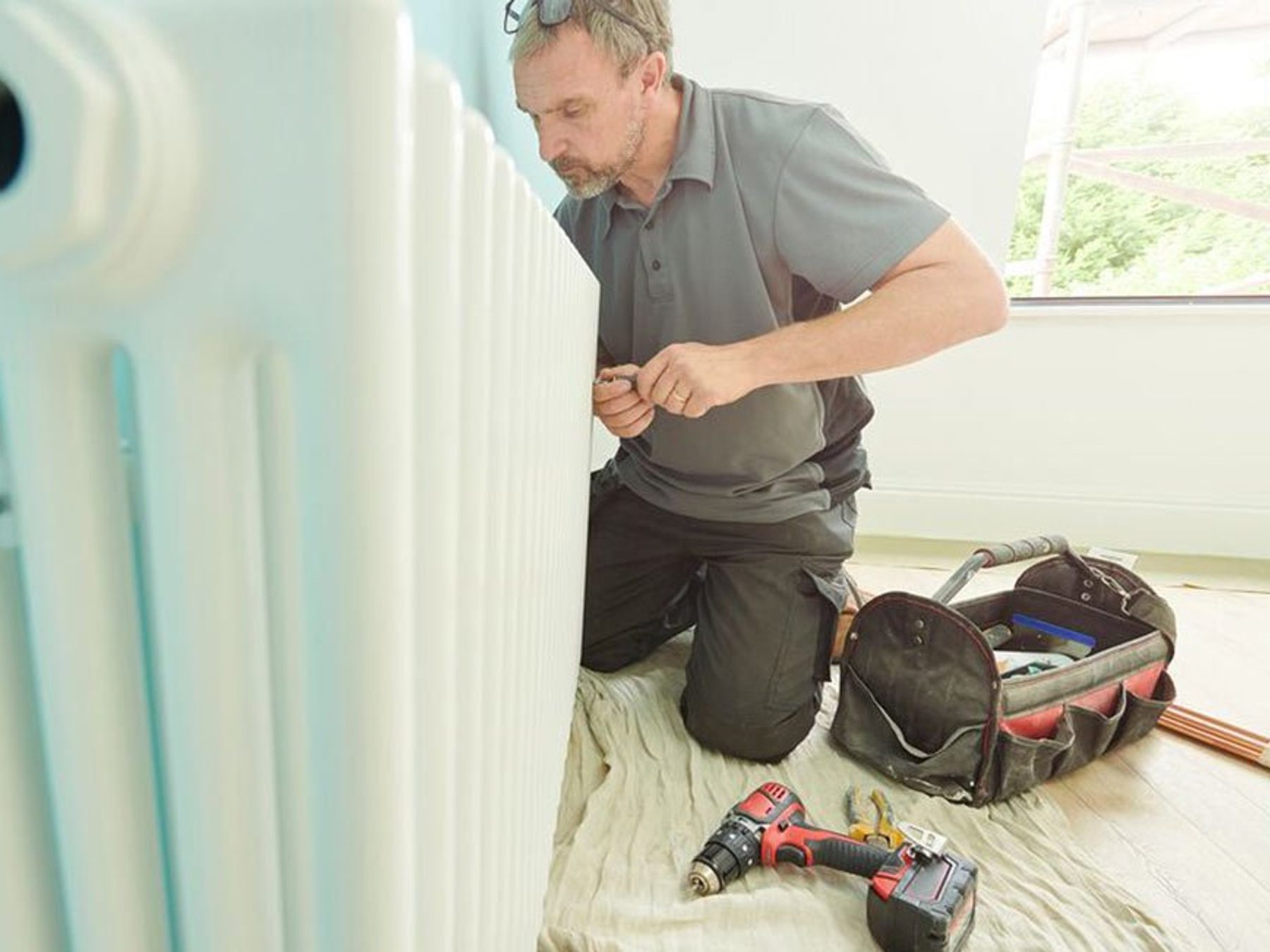
By the time July arrives in Stockton, most of the air conditioners we service have already been running flat out for several weeks. The emergency calls that come in through late June are usually problems a short check in April would have caught.
This is the same ten step sequence our technicians work through on a pre-summer service, written out so you can do the jobs that belong to a homeowner and know which parts need a licensed technician.
What does a pre-summer AC service actually cover?
Ten steps, in this order. The order matters, because each step makes the next one easier to read.
- Examine and swap out the air filter. A restricted filter forces the system to work harder and is the most common reason an evaporator coil ices over. Check it monthly in summer and replace it every one to three months, sooner if you have pets.
- Clean the exterior condenser unit. Leaves, dust and grass clippings around the outdoor unit block the airflow it needs to shed heat. Keep plants trimmed back about two feet and wash the fins gently with a hose, without forcing water into them.
- Service the evaporator and condenser coils. Both coils collect dust through the winter. Look for a mat of dust on the evaporator coil inside the blower cabinet, and for cottony debris and bent fins on the condenser coil outside.
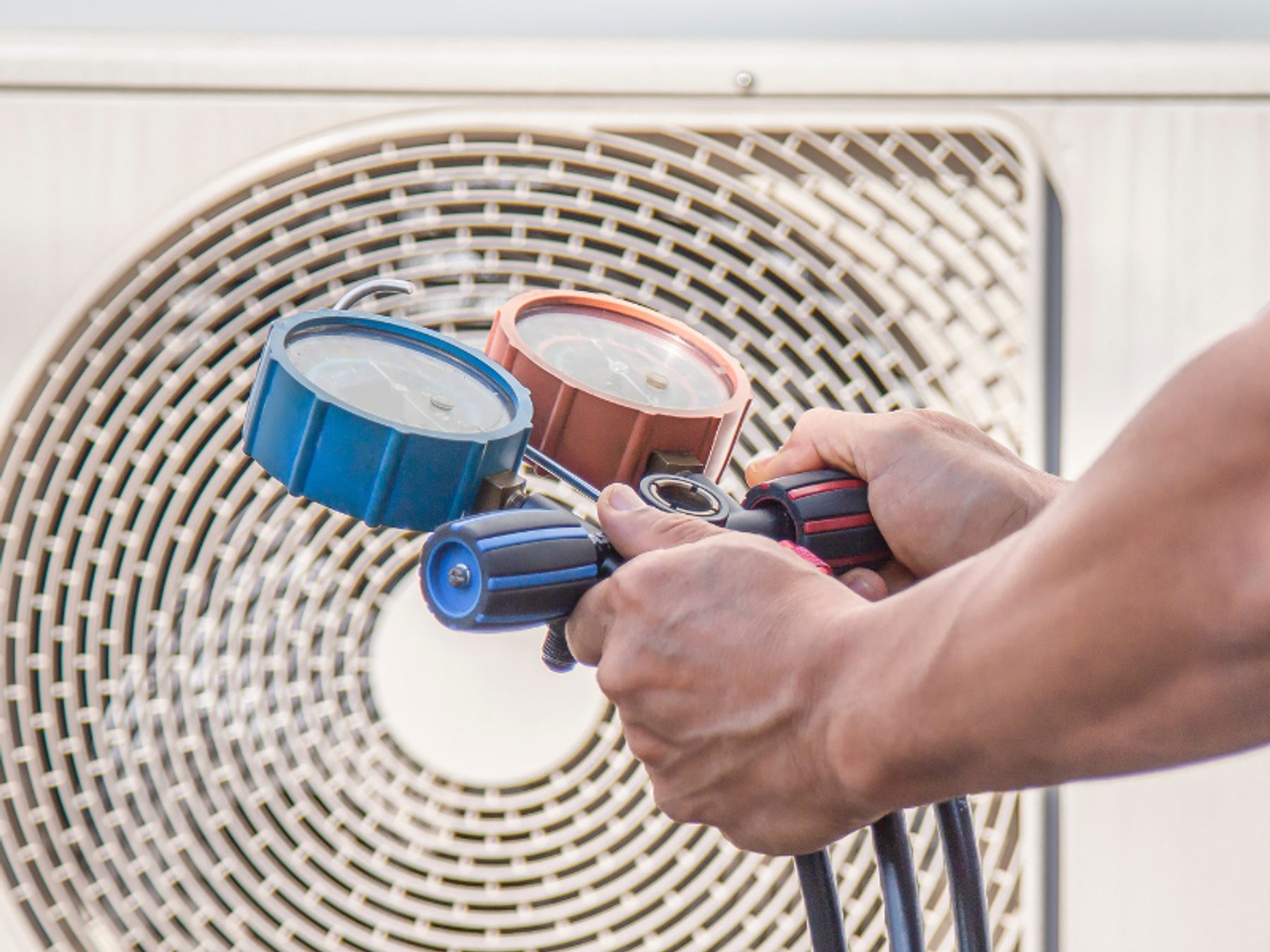
- Verify the refrigerant charge. A system low on refrigerant is usually leaking somewhere. Refrigerant has to be measured with gauges and recovered properly, so this step belongs to a trained technician.
- Inspect the electrical connections. Loose terminals, worn wiring and failing capacitors cause a surprising share of summer breakdowns. A capacitor often looks fine right up until it fails, which is why it gets tested rather than eyeballed.
- Check the ductwork and the vents. Leaks in the ductwork waste conditioned air. Up to 30 percent of heated or cooled air can be lost through leaks, so it is worth a walk through the attic before June.
- Test the thermostat. A thermostat on the wrong setting, with dead batteries or sitting in direct sun will stop a healthy system from doing its job. Calibrate it and set a sane schedule.
- Clear the condensate drain pipes. This line carries away the water that forms on the evaporator coil. If it backs up, the water spills into the cabinet and can soak the insulation, the floor or the furnace.
- Examine fan and blower performance. The outdoor fan and the indoor blower should spin freely and quietly. Rattling, scraping or a motor that hums without turning are signs of a bearing, a belt or a motor on its way out.
- Finish with a full professional inspection. A technician runs the system, measures airflow and temperatures, checks the safety controls on a gas furnace, and writes down what was found so you know what to watch next year.
What can you do, and what needs a technician?
| Step | Homeowner | Licensed technician |
|---|---|---|
| Air filter | Change every one to three months | Changed at service |
| Outdoor condenser | Clear debris, trim plants, hose the fins | Fin comb and coil treatment |
| Coils | Look only, do not touch the evaporator | Chemical clean and rinse |
| Refrigerant | No | Gauges, leak test and recovery |
| Electrical | Reset a tripped breaker only | Terminals, capacitors and safeties |
| Ductwork and vents | Spot damage and blocked vents | Leak testing and sealing |
| Thermostat | Batteries, settings and schedule | Calibration and system check |
| Condensate drain | Flush the line, check the pan | Clear the blockage, treat the cause |
| Fan and blower | Listen and look | Balance and test airflow |
| Full inspection | No | Yes |
How to work through the homeowner steps in one afternoon
Set aside about an hour and work through this list in order. It is the sequence we recommend, and it takes less time than a single emergency call.
- Start with the filter. If it is more than a month old, replace it, and write the date on the frame so you know when the next one is due.
- Clear the outdoor unit. Pull weeds and leaves away from the unit, trim back anything within two feet, then hose the fins gently from the top down.
- Look inside the blower cabinet. With the system switched off, open the filter door and look at the evaporator coil. If you cannot see light through it, it needs a professional clean.
- Run a warm rinse down the condensate drain. Pour a cup of warm water into the small drain opening at the base of the cabinet, then watch the outside end of the line. If nothing comes out, the line is blocked and that is a technician job.
- Check the thermostat. Replace the batteries, confirm it is set to cool, and set the schedule so the house is comfortable when you are home and quiet when you are not.
- Walk the vents. Make sure no furniture, rug or stored box is blocking a supply register or a return grille.
A blocked condensate drain is one of the most common reasons water ends up on a ceiling or in a cabinet in July. If water has already appeared, stop pouring water down the line and call a technician instead.
When should you book the professional part?
Before June. Not because the calendar runs out, but because early summer is the worst possible time to find out that a capacitor is failing or a drain is blocked.
Book the professional part four to six weeks before you expect the first 100 degree week. If the system is more than a decade old, or it failed last summer, book sooner. If you have already seen water, ice or a burnt smell, book now rather than in June.
We service Stockton and surrounding communities, including Lodi, Manteca, Tracy, Lathrop, Modesto, Elk Grove, Sacramento and Roseville. We provide transparent diagnostics and upfront written pricing before any work starts, with free phone guidance for installation planning.
When to stop and call a licensed technician
Some of this checklist is safe for you to do at home. Some of it is not. Stop and call a licensed HVAC technician if you notice any of these.
- Water dripping from a vent, a ceiling or the base of the blower cabinet.
- A burnt or hot electrical smell anywhere near the unit.
- A breaker that trips again as soon as you reset it.
- Ice on the refrigerant lines or on the outdoor unit in warm weather.
- A refrigerant line that is oily, cracked or stained, which points to a leak.
- Air that blows warm while the system is running and running.
- A gas furnace that will not light, or a yellow or orange flame where there should be a blue one.
Do not open a refrigerant line, do not work inside an electrical panel beyond resetting a breaker, and do not relight a gas furnace more than once. Those are the points where a licensed technician takes over. RB HVAC Inc. holds California HVAC license number 1094161.