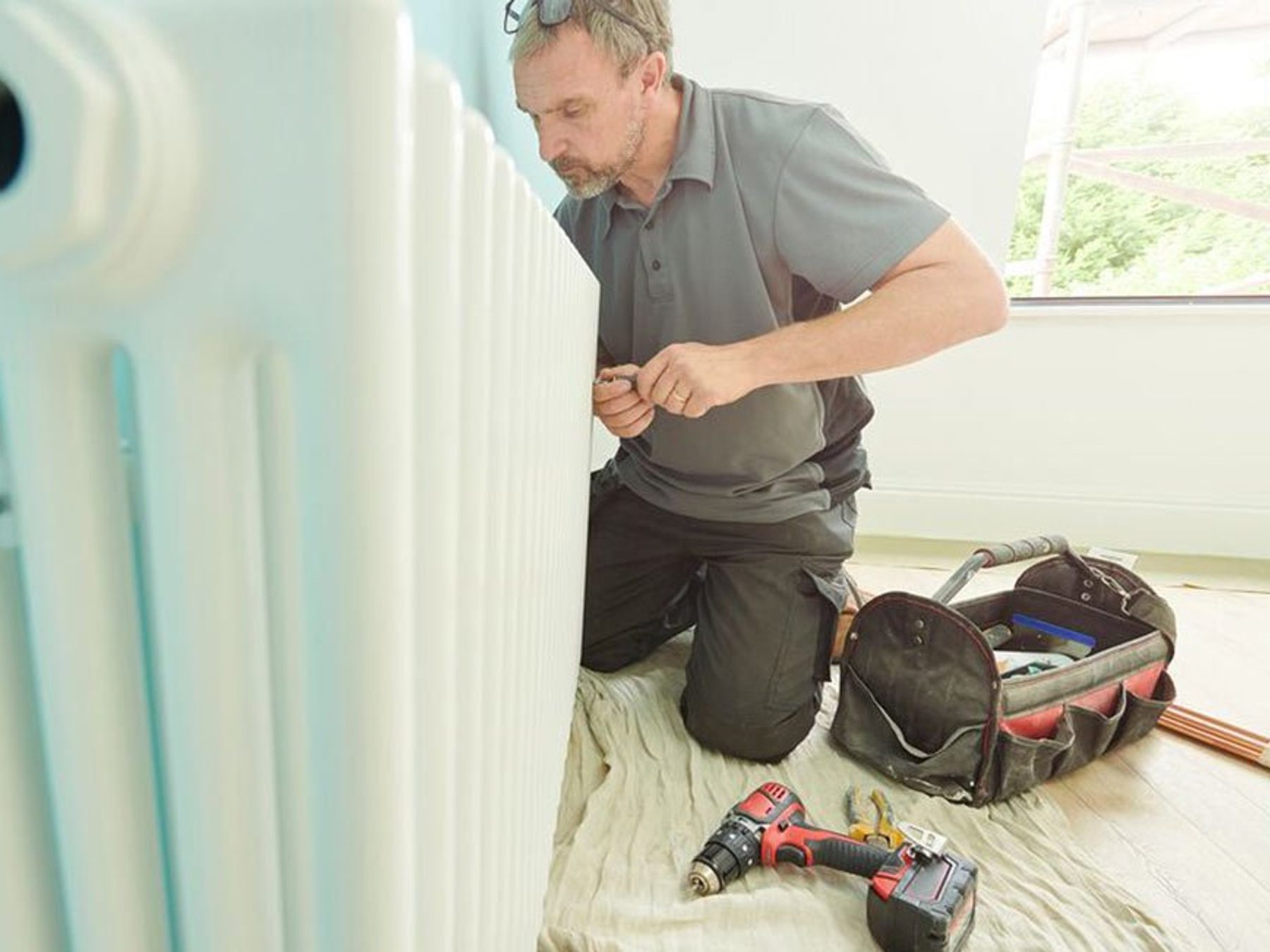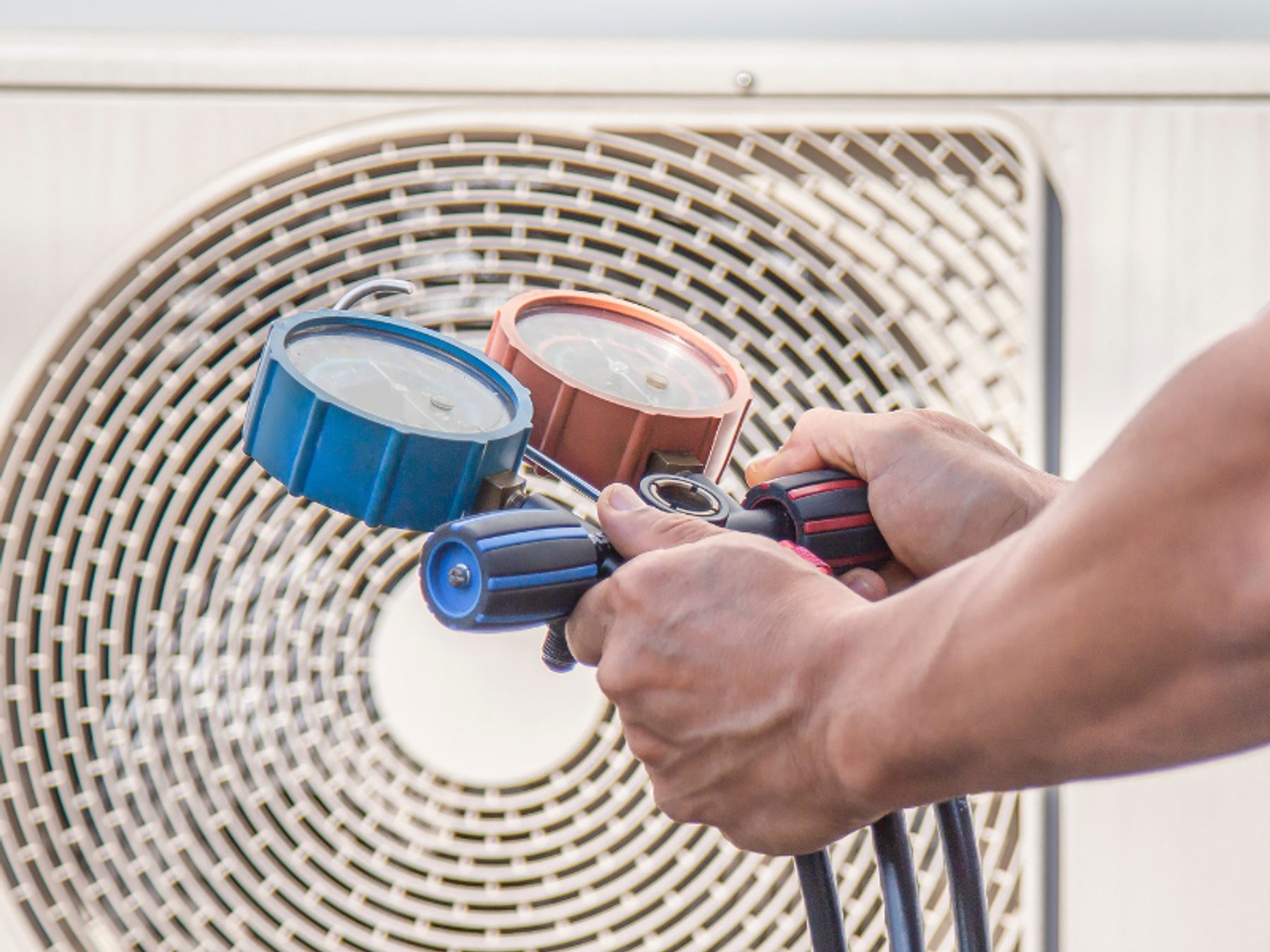
Your heating and cooling system does not take the same punishment in every month of the year. In spring it has been sitting still with dust settling on the coil. In summer it runs flat out for weeks at a time. In autumn it changes from cooling to heating. In winter the heating side carries the whole house.
Here is the seasonal routine as the year runs in Stockton and the Central Valley.

What should seasonal hvac maintenance tips cover?
Four things, done at the right time of year. A filter and a clean coil for cooling. A tested heat exchanger and checked safety controls for heating. A condensate drain open before the humid months. And an electrical system tested before the compressor works hardest.
| Season | The main job | When to book it |
|---|---|---|
| Spring | Full service, new filter, clear drain | April to May |
| Summer | Keep the outdoor unit clear, watch the bills | Monthly checks, June to September |
| Autumn | Test the furnace and the safety controls | September to October |
| Winter | Watch for heat problems, keep the vents clear | November to February |
Spring: get the system ready for cooling
- Book a full service before the heat arrives. A technician should clean the coils, check the refrigerant level, test the electrical connections, clear the drain line and run the system to confirm the temperatures are right.
- Change the filter. If it is more than a month old, replace it, and mark the date on the frame so you know when the next one is due.
- Clean the vents and registers, and confirm none of them are blocked by furniture or stored items.
- Check the thermostat. Replace the batteries and confirm it reads the room temperature correctly.
- Trim back the plants around the outdoor unit now, while they are still small, and keep about two feet of clear space.
Summer: keep it running through the heat
- Keep the outdoor unit clear. Clear leaves and weeds, and check that the coil is not packed with cottony debris and bent fins.
- Check the filter every month. A clogged filter is the most common reason a system works hard, runs long and still does not cool the house properly.
- Watch the energy bill. A sudden jump during a hot week often points to a problem, and it is easier to find in June than in July.
- Use ceiling fans to move the cool air around the rooms. They cost a fraction of what the compressor does and take the load off the system.
- Check the ductwork for leaks while the weather is warm. Up to 30 percent of heated or cooled air can be lost through leaks, and leaks are easier to fix in an attic in July than in January.
Autumn: get the heating side ready
- Have the furnace tested. The heat exchanger, the igniter, the blower and the safety controls all need attention before the first cold week, and a gas appliance should never be the thing you discover a fault in on a cold night.
- Watch the thermostat settings. A constant setting makes the system run more than it needs to.
- Listen for odd sounds and smells when the heating starts. A rattle, a bang or a new smell is a reason to book a service, not a reason to put up with it.
- Set the ceiling fans to spin slowly in the same direction as the heat rises from the floor. It costs nothing and it makes the room feel warmer.
Winter: watch for heat and safety problems
- Know the signs of a carbon monoxide problem. Smell is not a reliable warning, because carbon monoxide is colourless and odourless. If anyone feels dizzy or nauseous, get everyone out and call the fire department or the gas emergency line first.
- Check that every vent is delivering warm air. A cold room in a warm house usually means a duct problem, not a furnace problem.
- Keep the filter clean through the heating season, because a dirty filter on a furnace makes the heat exchanger run hot, which is a safety issue as well as a comfort issue.
- Leave the vents and returns clear. Furniture pushed against a register reduces the airflow the system needs.
Most homes in this climate need two professional visits a year, one before cooling season and one before heating season. The rest of the seasonal work is a monthly habit rather than a service.
The year round jobs
- Change the filter every one to three months, and more often with pets.
- Keep the thermostat schedule honest, so the system is not running for an empty house.
- Do a quick visual check of the outdoor unit every few weeks.
- Book professional maintenance at least once or twice a year for a home, and twice a year for a commercial system.
When to stop and call a licensed technician
Most of the seasonal list above is safe to do yourself. Some of it is not.
- Any work on a refrigerant line. Refrigerant has to be measured, recovered and handled by a certified technician.
- Anything inside the electrical panel beyond resetting a breaker.
- Testing a heat exchanger, adjusting a gas valve or working on a burner.
- Anything on a heat pump, a rooftop unit or a ductless mini-split in the middle of the circuit.
- Water inside the cabinet, a burning smell, ice on the lines in warm weather, or a breaker that keeps tripping.
RB HVAC Inc. is based in Stockton and works across Stockton, Sacramento, Modesto and surrounding communities, including Lodi, Manteca, Tracy, Modesto, Elk Grove, Sacramento and Roseville. We are licensed in California under number 1094161, we provide transparent diagnostics, and the price is agreed in writing before any work starts.