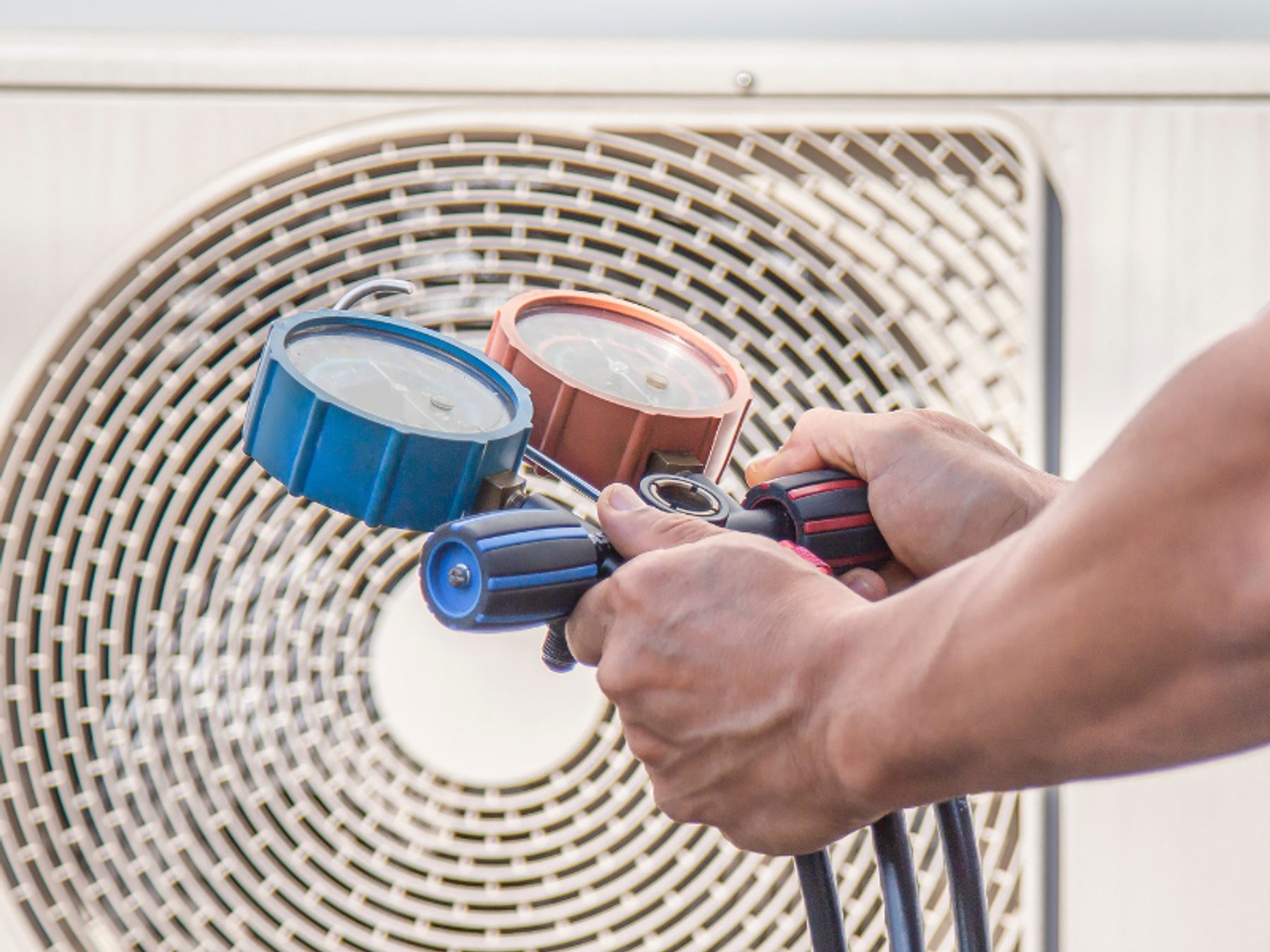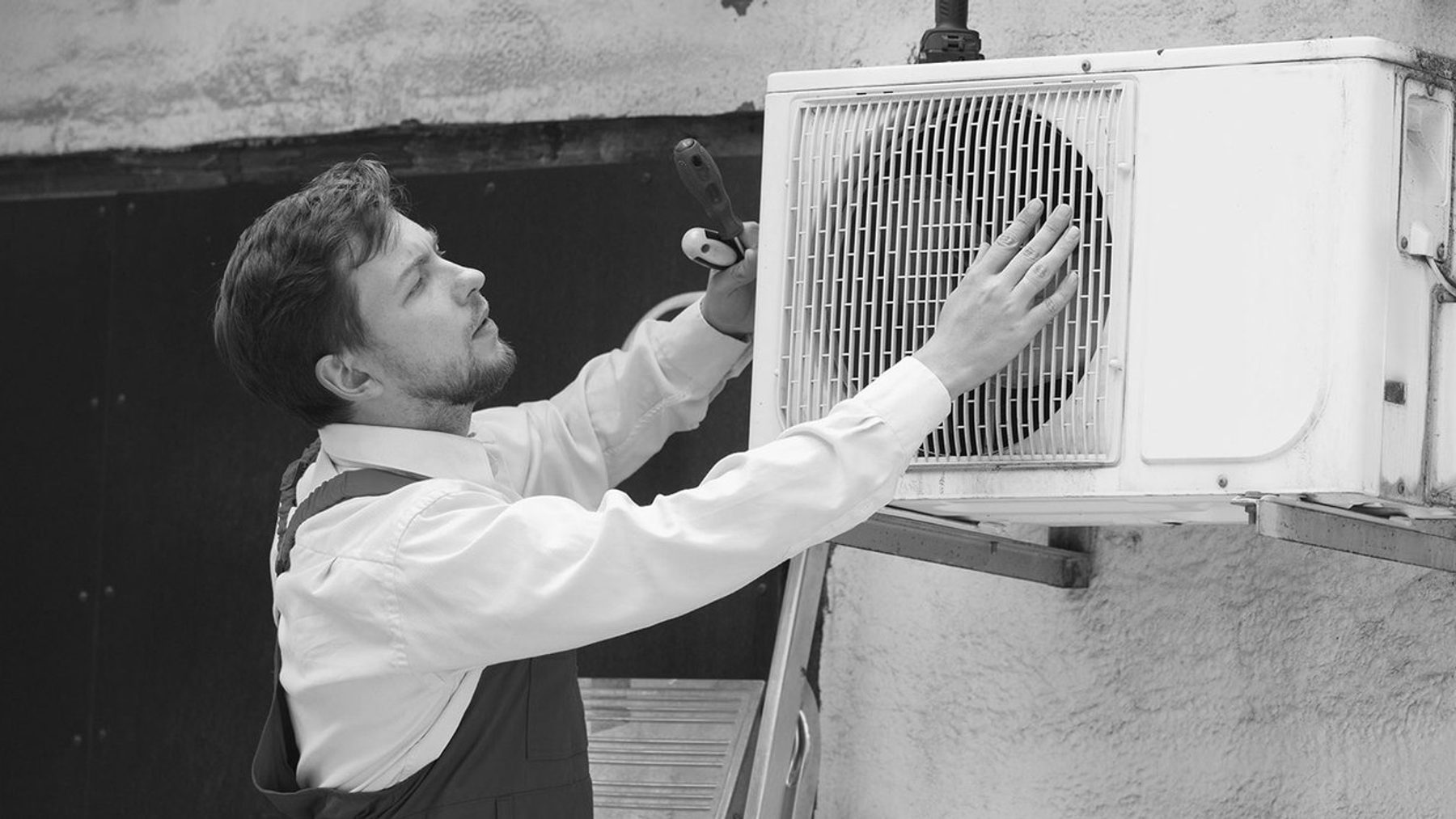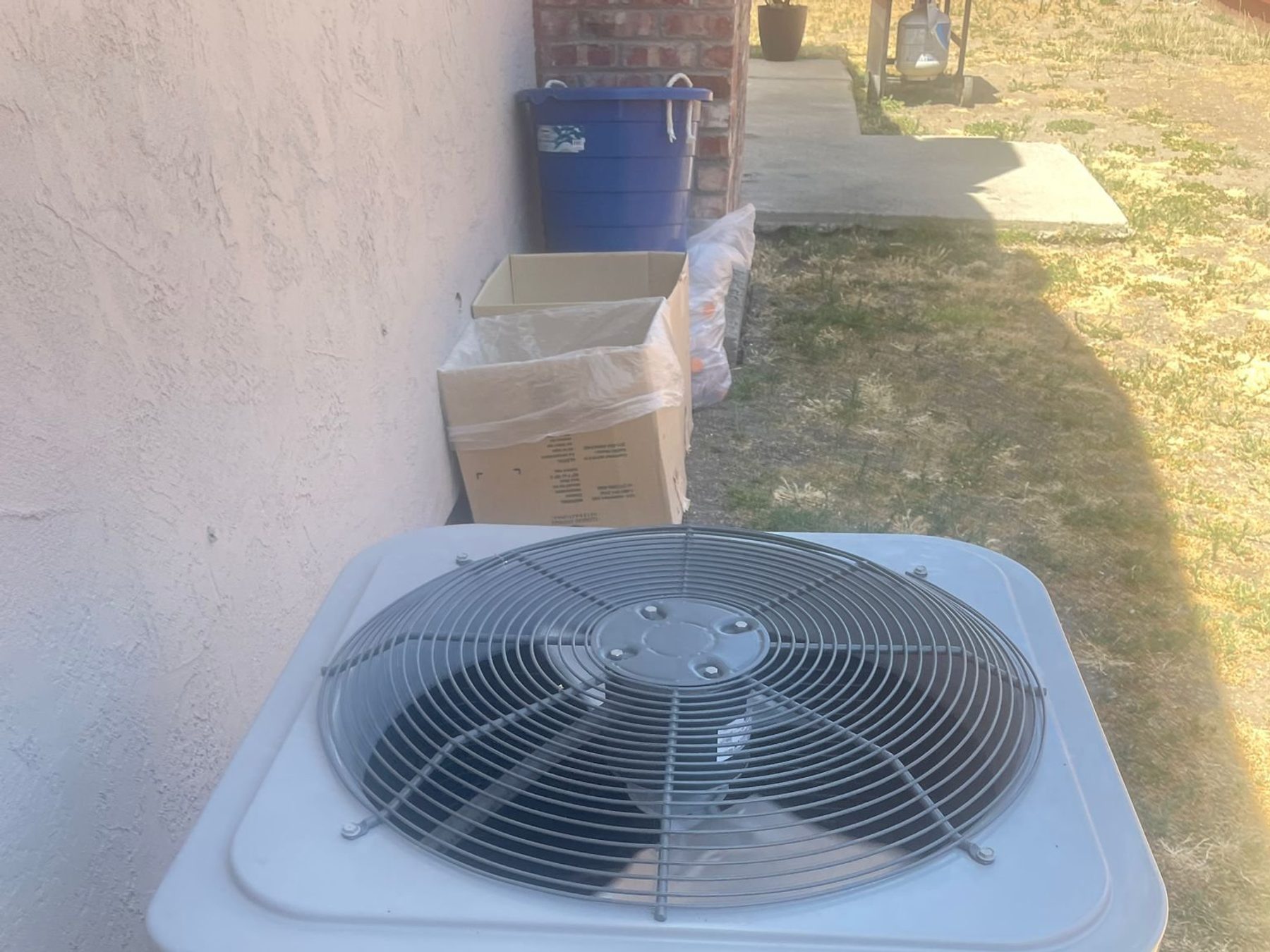
Nobody notices a clean coil and nobody misses a dirty one until the system is struggling. That is why coil cleaning and duct inspection get pushed to the bottom of the list, right after the job that stops working. They are also two of the highest value things you can do for the money, because both of them affect how the whole system performs rather than one small part of it.
What does coil cleaning actually fix?
Every residential system has two coils and they do opposite jobs. The evaporator coil sits inside the air handler, where cold refrigerant absorbs heat from the air moving through the return path. The condenser coil is on the outdoor unit, where the compressor dumps that heat into the outside air. Neither can work properly if it is coated in dirt.
Coils collect dust, pollen, pet hair, cotton from the laundry and whatever else is in the air. On the outdoor unit, that layer works like insulation: the refrigerant inside is trying to release heat into the coil and the coil is trying to release it into the outdoor air, and a blanket of dust sits in the middle of that transfer. The system then runs longer and harder for the same result, and the compressor is the part that pays for it.
Inside the house, the evaporator coil needs clean air moving across it, which means a clean filter, and it collects dust and mould on its surface where the moisture sits. A coil that is part way blocked in a humid summer can also start growing the kind of growth that makes the air in the house smell musty.
Cleaning is not a complicated job, but it has to be done properly. The outdoor fins are thin, and they bend easily, and a bent fin blocks the airflow across the whole face of the coil. It also has to be done with the system off and the power respected.
There is one job most homeowners can do safely, and it is the outdoor coil. With the system switched off at the breaker, a hose and a soft brush will shift most of the debris off the fins. Do not use a pressure washer, which bends the fins, and do not spray water at the electrical connections or the refrigerant lines.
What a duct inspection actually checks
The ductwork is the network that carries conditioned air to the rooms you live in. When it is compromised, the system works harder and the rooms still do not get what they need. A proper inspection covers five things.
- Leaks and loose connections, especially at joints and where the ducts meet the registers
- Dust, debris and other buildup inside the runs and in the registers
- Signs of mould or mildew, and the damp insulation that usually comes with it
- Damage from rodents, or from age, tears and crushed sections
- The condition of the insulation, particularly in unconditioned spaces such as an attic or a garage
Insulation is the one that catches people out. Ducts in a garage or under a roof space sit in far hotter conditions than the rooms they serve, and in July that is the middle of the day. Any section without insulation, or with damaged insulation, is adding heat to the air before it reaches you. That is also why up to 30 percent of heated or cooled air can be lost through leaking ducts, and why the same problem can show up as a high summer bill with nothing obviously wrong with the equipment.
How often should coils and ducts be serviced?
| Job | How often | Why |
|---|---|---|
| Filter check | Every month in summer | A dirty filter is the cheapest thing to fix and the most common cause of poor performance |
| Condenser coil clean | At least once a year, before summer | Outdoor dust and cotton insulate the coil and load up the compressor |
| Evaporator coil service | As part of the annual service | Dust and mould on the coil reduce cooling and can cause smells |
| Duct inspection | Every 2 to 3 years | Leaks and damaged insulation get worse slowly and are easy to miss |
| Duct cleaning | When the inspection shows buildup | Worth doing after a renovation, with pets, or with allergy symptoms in the house |
| Full maintenance visit | Once or twice a year | Covers the filters, the coils, the refrigerant, the electrical work, the drains and the blower |
Bring the duct inspection forward if you have renovated, if you can see dust around the vents, if there is a musty smell in the house, if somebody has unexplained allergy or asthma symptoms, or if you live somewhere the smoke and dust from wildfires reaches you.
What a professional visit looks like
- The filters are checked and replaced, and the airflow across the evaporator is confirmed
- The exterior condenser unit is cleaned, including the fins and the fan
- Both coils are serviced, not just the outside one
- Refrigerant quantities are verified and any signs of a leak are traced
- Electrical connections are inspected and tightened where needed
- The ductwork and the vents are checked, and the insulation is looked at
- The thermostat is tested against the system, including its schedule
- The condensate drain pipes are cleared and flushed
- The fan and blower performance are measured rather than assumed
- A full professional inspection is finished, and the findings are written down for you
That list is the same one we use on every maintenance visit, and it is the reason a service visit is worth more than a quick filter change. We will tell you what we found, in writing, before you decide what to do about it.
When to stop and call a licensed technician
- Stop if you are cleaning an outdoor coil and the fins are already bent or crushed, because the coil may need a technician to comb out
- Stop if the system has a refrigerant leak, which needs recovery, repair and a proper charge rather than a top-up
- Stop if you find mould in the ductwork or a wet ceiling. That is a water problem as well as an air problem
- Stop if you are thinking of cutting into a duct or moving a register in a ceiling that might hide wiring or plumbing
- Stop if the drain keeps backing up, because a blocked drain inside an attic or a wall can do a lot of damage very quickly
Call (209) 351-6000 and book a service. We will look at the coils, the ducts and the rest of the system, and we will quote the work in writing before any of it starts.