The bill is a symptom, not a fault. It tells you the system is using more electricity than it used to, and it does not tell you why. The same number can come from a filter that was never changed, a system stretched past what it can carry, or a month that was hotter than the month before.
Nine reasons the bill goes up
These are the causes we find after a bill has gone up.
- A dirty air filter, which restricts the airflow so the system runs longer to hold the same temperature
- Dirty condenser and evaporator coils. The condenser is the coil on the outdoor unit, and when it is caked it cannot shed heat, so the compressor works harder
- A system too small for the load, which can hold the temperature but only by running most of the time
- A failing capacitor or contactor, where a weak capacitor makes the motor draw extra current
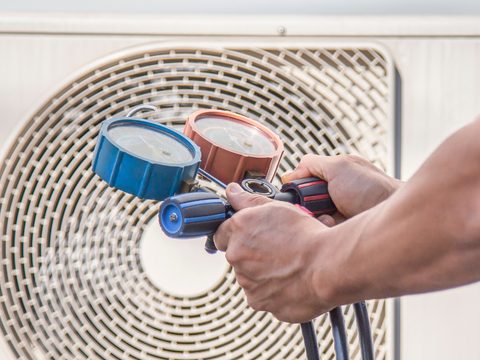
- Low refrigerant, because a system short of it runs longer and works harder
- A thermostat clock that has been reset, so the schedule runs at the wrong hours
- Older equipment, which moves the same heat with more electricity
- A duct system that is leaking, so the air you paid for goes into the attic or a wall cavity
- The weather. A hotter stretch of summer, or a colder one in winter, changes the bill on a healthy system
Five checks you can make before you call
- Compare the bill with the same month last year. Same month, same meter reading, and remember what the weather was doing. A summer that ran hotter than the one before will move the number on its own.
- Look at the filter, then at the thermostat schedule and the clock. A filter that has gone grey is doing nothing for your system and should be replaced. Then check the clock and the date, because a schedule that was reset often runs the system while the house is empty.
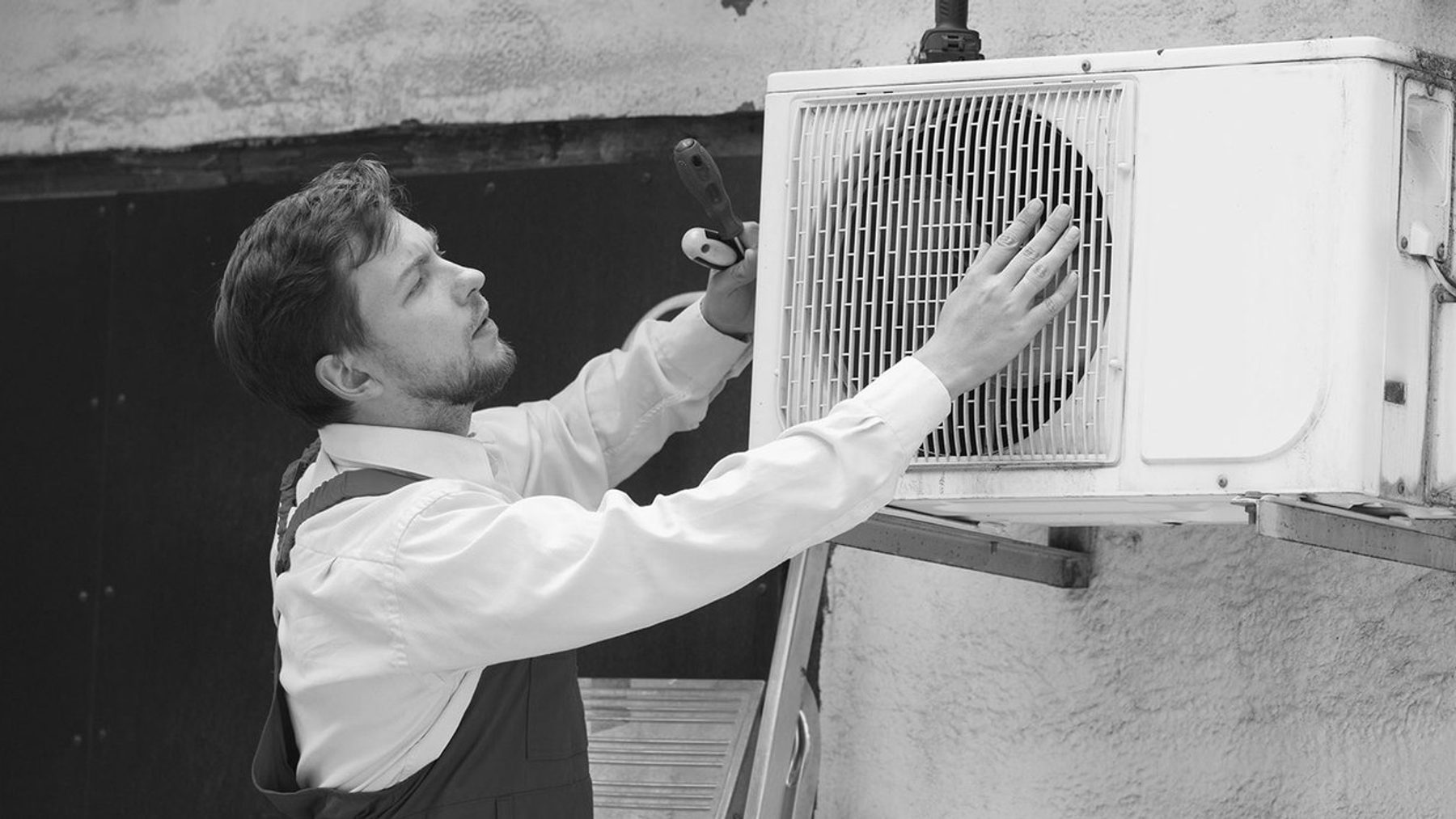
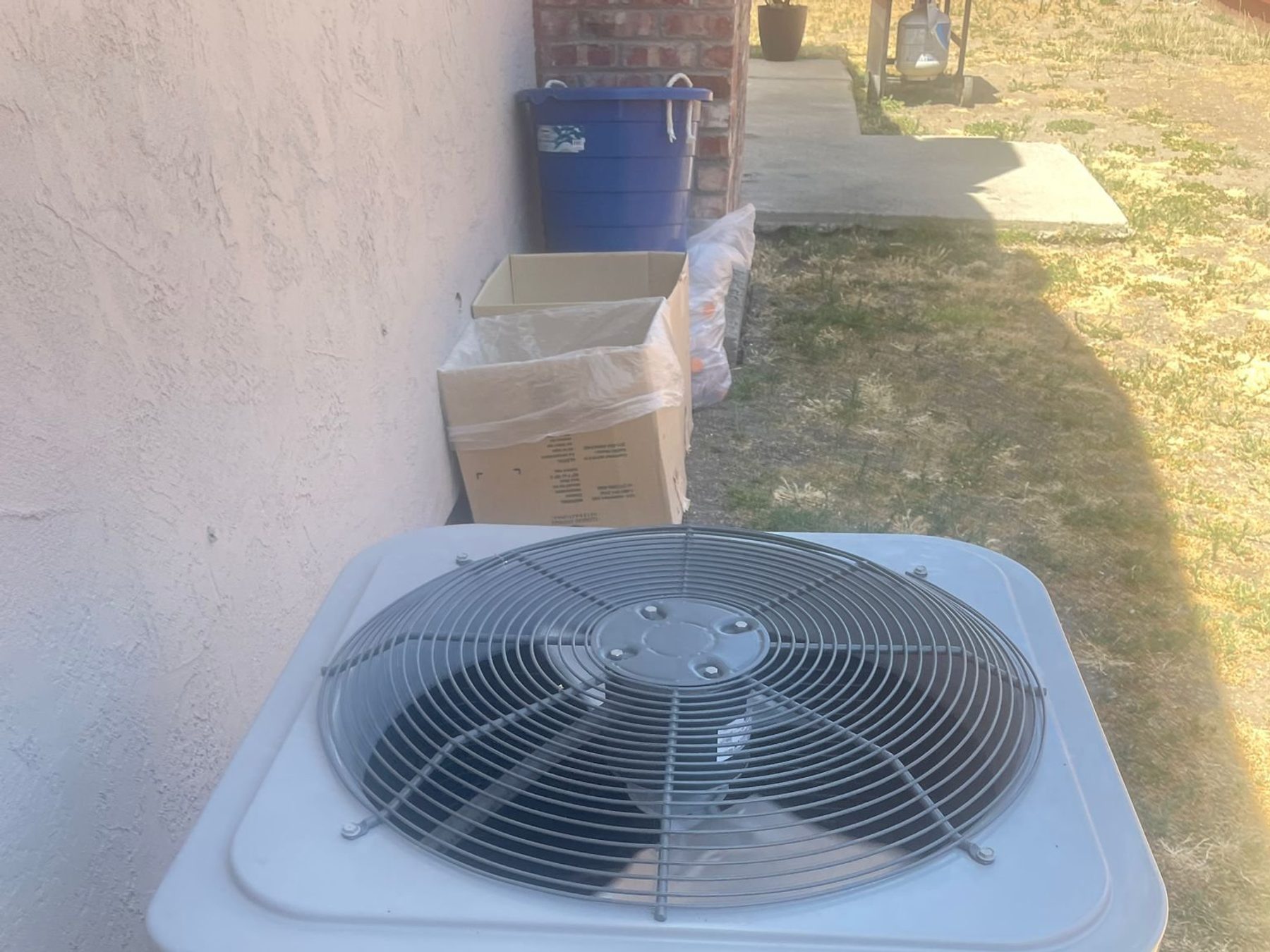
- Clear the debris around the outdoor unit and check the fan runs. Leaves, seed pods and a year of dust against the coil or caught in the fan are common in the summer. Clear them back a foot or two and listen for the fan.
- Watch whether the system reaches the set temperature. If it runs on and on and the house is still not at the setting, the system is working against something. That is the most useful thing you can tell us on the phone.
- In winter, look for ice on the outdoor unit. A thin even layer that melts on its own is normal on a heat pump. A thick layer that does not clear, or a unit under a foot of ice, is a fault and it needs a technician.
When the number needs a technician
Two situations are a technician job. If the system runs constantly and never reaches the set temperature, the cause is usually low refrigerant, a failing capacitor, a dirty coil, a system too small for the load or a control fault. And if the bill keeps rising after the filter and the schedule are corrected, something is wrong that is not in the schedule.
We will give you the arithmetic on repair against replacement, which is the age of the system in years multiplied by the cost of the repair, judged against what replacing it would cost. If the total lands close to that, a replacement usually costs less than the next repair. We put the exact price in writing before anything is ordered.
What the weather does to the number
Some of the movement in a bill is not a fault at all. A stretch of hotter afternoons in July makes the system work longer every day, and a cold snap in January does the same. The machine is fine and the bill is honest, which is why the comparison has to be like for like.
| Cause | What you notice | Where the fix sits |
|---|---|---|
| Dirty air filter | Weak airflow and long run times | You |
| Dirty condenser and evaporator coils | The outdoor unit gets hot quickly | Technician |
| System too small for the load | It holds the temperature but never stops | Technician |
| Failing capacitor or contactor | A hum, a click, or no start | Technician |
| Low refrigerant | The system runs long and the air is not as cold | Technician |
| Thermostat clock reset | The system runs hard while the house is empty | You |
| Equipment that is old | The same comfort for more electricity | A repair or replace conversation |
| Leaking duct system | Uneven rooms, a warm or cold attic | Technician |
| Hotter or colder weather | The bill moved and nothing is broken | Nobody |
A rising bill is not a diagnosis and not an argument for a new machine. The filter, the schedule and the weather account for a lot of what we are called out to, and those are the cheap ones to put right. When the machine is the problem, we will show you the numbers behind it.
What happens when we come out
We pull the filter and look at the coil condition, check the outdoor unit for airflow, and put a meter on the capacitor and the contactor. We check the refrigerant by measurement rather than by feel, and look at the ductwork where we can reach it. Then we do the arithmetic on repair against replacement and put the price in writing before anything is ordered.
The honest version
Here is the part that usually gets left out. A thermostat set one degree too high can move a bill as much as a faulty machine, and a house that is not sealed against a hot afternoon makes the system work longer every day of the summer. Both cost less to fix than any part we would replace. Sometimes the honest answer is a service visit, and sometimes it is a setting and a roll of weatherstripping.
If you would rather have somebody look at it, our maintenance services page explains how we handle a fault like this, and the symptom hub lists the rest of the symptoms we get called about, one at a time.
If the system runs constantly and never reaches the set temperature, or if the bill keeps climbing after the filter and the schedule are sorted out, call (209) 351-6000 and tell us what the meter says, what the thermostat is set to and what the weather has been doing. RB HVAC Inc. holds California HVAC license number 1094161, and we quote the price in writing before any work starts.