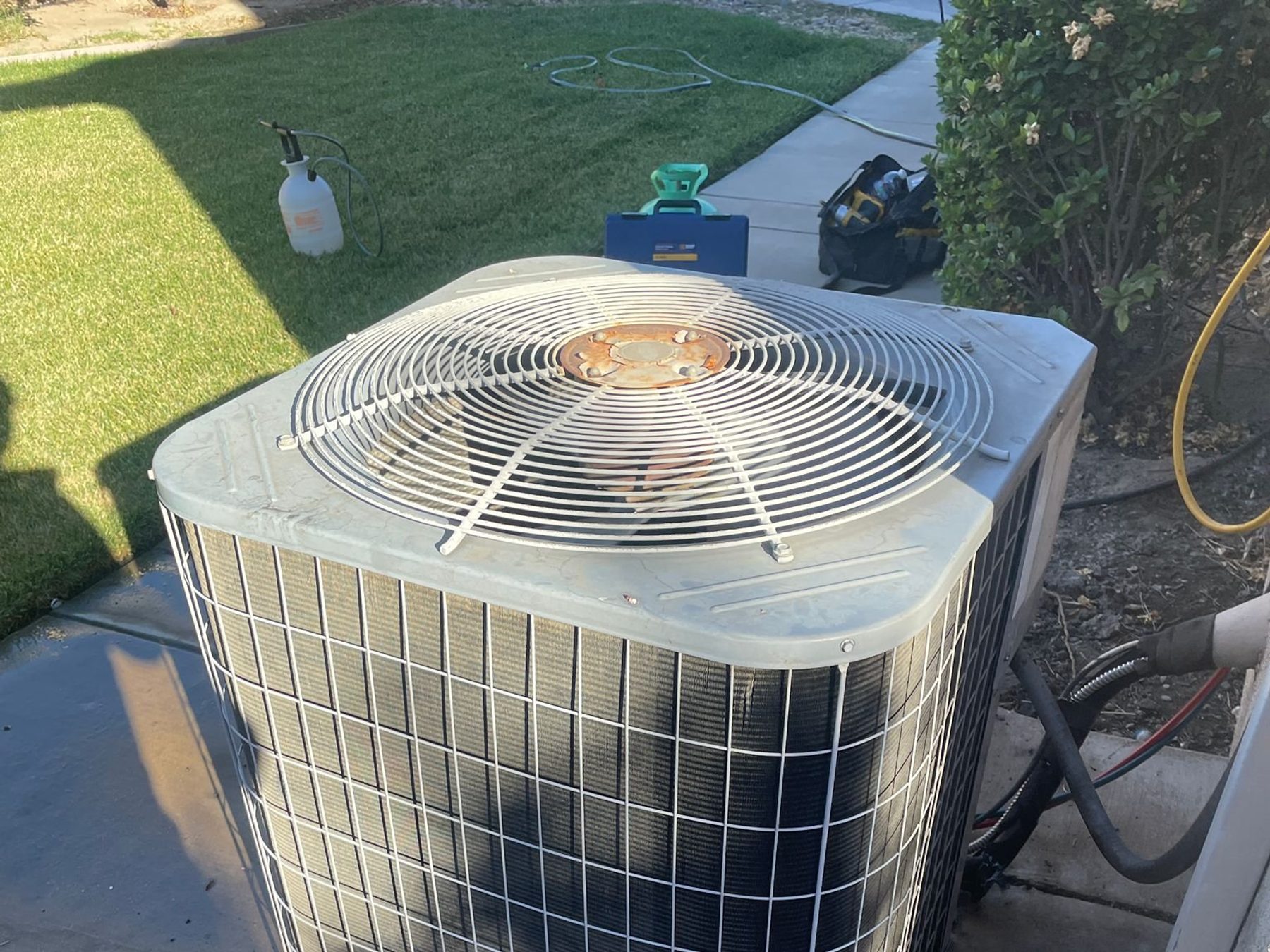
Short cycling is the name for that pattern. The outdoor unit comes on, the compressor kicks in, the house cools a little, and then the whole thing shuts down again a few minutes later. Left alone it will do that all day.
It is not a normal way to run a system and it is not cheap. The compressor is working far harder than it was designed to. Starting a compressor is the hardest thing it ever does, and the motor, the contactor and the starter take a strain every time it kicks in. You pay for the power that runs it, and the house stays warm.
What is actually going on
Six causes cover almost every short cycling call we take.
- The filter is clogged and the evaporator coil is starved of air
- The evaporator coil is coated in dust and cannot move heat
- The refrigerant is low because of a leak
- The system is oversized for the house, so it reaches the set temperature in minutes
- The thermostat is cycling on a sensor that sits next to a heat source
- The compressor cannot hold a charge, so it runs, trips and starts again
The two you can put right yourself
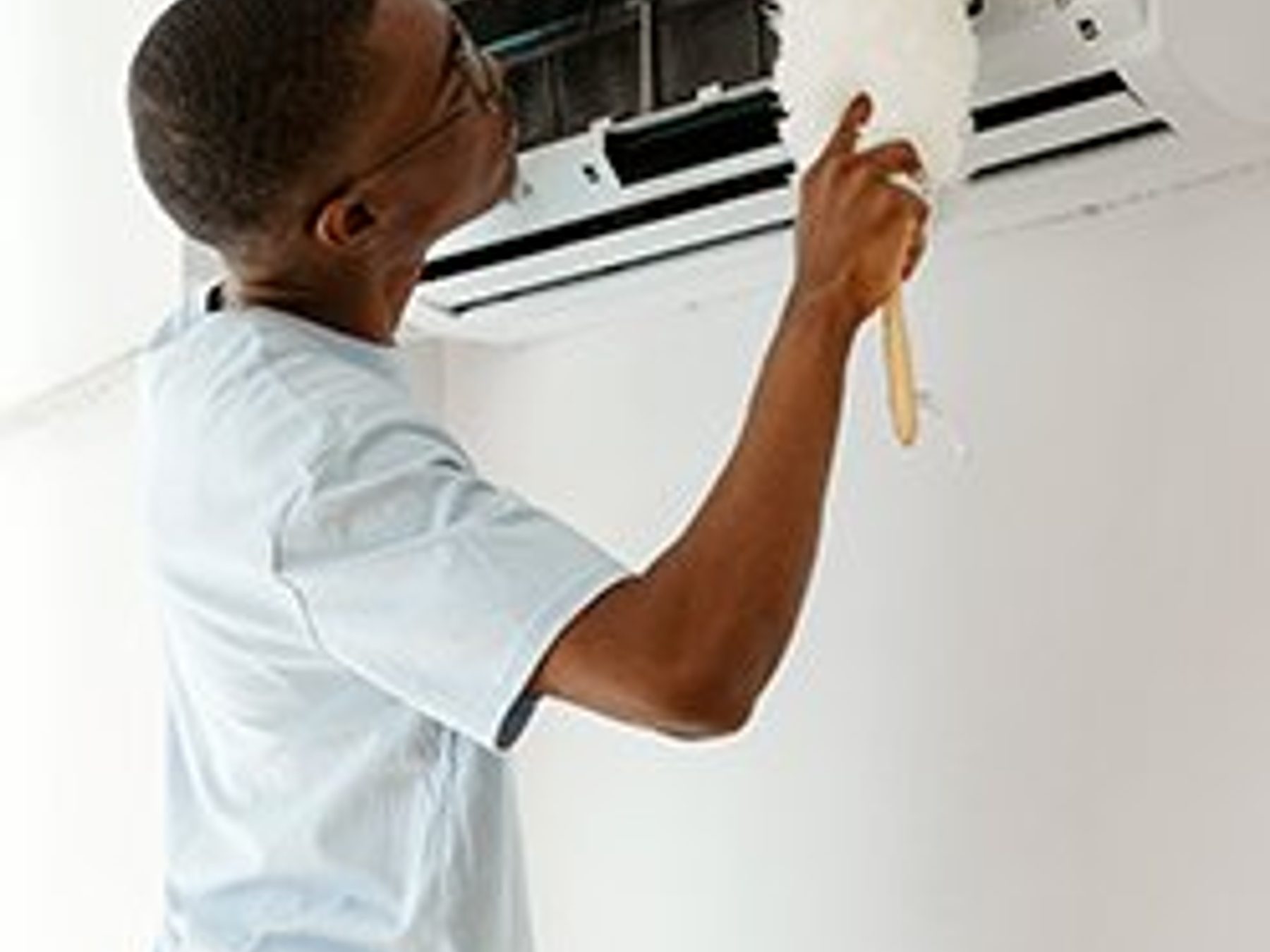
A clogged filter is the first thing we check on every short cycling call. When the filter is packed, the blower moves less air, the coil gets colder, ice forms on it, the control shuts the system down, and the cycle repeats. A filter that is grey, matted or sagging in the rack is enough to cause it.
A dirty evaporator coil does the same thing more slowly. The coil pulls heat out of the air, and coated in dust it cannot. A new filter does not fix a dirty coil, which is why a clean filter can still cycle every afternoon.
The four that need a technician
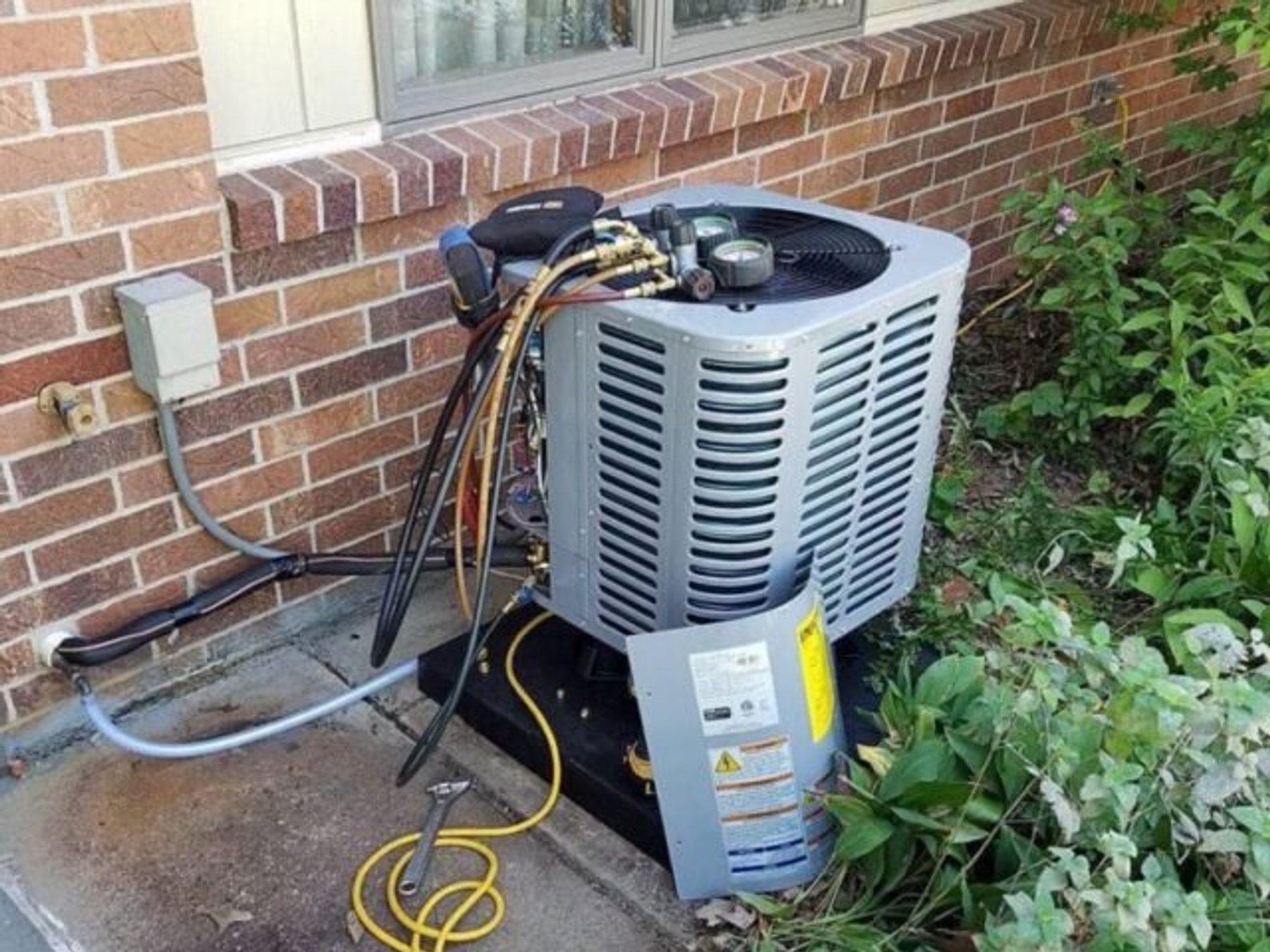
Low refrigerant causes the most short cycling on systems that look maintained. A compressor starved of refrigerant cannot finish what it started, and the control keeps calling for cooling it cannot deliver. Finding the leak needs gauges, and that belongs to a licensed technician.
An oversized system short cycles for a different reason. If the unit is far larger than the house needs, it drops the temperature a few degrees in a couple of minutes, the thermostat is satisfied, and the system shuts down. When the house warms back up it starts again. On a badly sized system that is correct operation, and it is a sizing conversation rather than a repair.
A thermostat cycling on a poor sensor is a fault we see every week. The thermostat reads the temperature of the air around it, so a sensor next to a sunlit window, a hot wall, or a supply register gets a wrong reading. The system cools, the thermostat thinks it has reached the set point, and it shuts down.
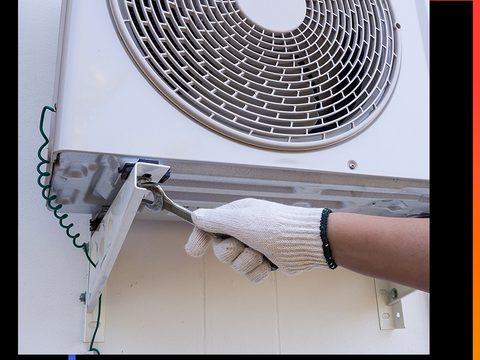
Finally, a compressor that will not hold a charge. The refrigerant goes in and does not stay in. The compressor heats up, the pressure drops, and the control tries again. This one cycles hardest and does the most damage.
Five checks you can make today
These are all things you can do without a tool.
- Replace the filter and run the system for half an hour. Set the thermostat to cool and leave it alone for thirty minutes. If the cycling stops, the filter was the fault.
- Move the thermostat away from windows and direct sun. If it is on a wall that gets afternoon sun, or near a cold window, move it to an interior wall.
- Note how long each cycle runs. A cycle that stops after two or three minutes is a different fault from one that runs for fifteen, and the number tells the technician where to start.
- Watch whether the outdoor fan keeps spinning when the compressor stops. If the fan runs on while the compressor is quiet, that is a normal part of its cycle. If it stops as well, the fault is in the unit.
- Look for ice on the refrigerant lines. Ice on the lines or the outdoor coil on a hot afternoon points at low refrigerant or a starved coil, not the thermostat.
Where the line sits
If all of that checks out, the fault is refrigerant or control. That means gauges, a meter, and a licensed technician. It is not something you can fix with a can of refrigerant from a hardware store.
Do not keep adjusting the thermostat up and down to hide the pattern, do not put the system on fan only for the summer, and do not reset the breaker hoping for a different result. None of that repairs anything, and all of it costs you money.
| Cause | What you notice | Who can fix it |
|---|---|---|
| Clogged filter | Cycling every few minutes, ice on the coil | You, in a minute |
| Dirty evaporator coil | Runs and stops, house never gets past a few degrees | Technician |
| Low refrigerant from a leak | Long and short cycles, ice on the lines | Technician, with gauges |
| Oversized system | Cools quickly then stops, house warms up again | Technician, and a sizing question |
| Thermostat on a poor sensor | Stops while the house is still warm | You, by moving it |
| Compressor will not hold a charge | Heavy cycling that never settles | Technician |
A system that cycles all afternoon is not saving you money. It is spending your money faster and wearing out the part of the machine that is hardest to put right. Fix it now rather than in August.
What happens when we come out
We start by putting gauges on the line set and reading the pressures and temperatures across the lines, which tells us in one pass whether the charge is right and the compressor is pumping. Then we check the filter, the coil and the airflow across it, the thermostat and the sensor it uses, and the capacitor and the contactor.
Here is the honest version. Most of the time short cycling is low refrigerant from a slow leak, or a thermostat cycling on a poor sensor. For what a system costs to keep running, the working-out is simple. Multiply the age of the system by what you spend keeping it going each year. If the total lands close to what replacing it would cost, replacement usually wins. If it is well under, the repair is usually still worth doing.
If you would rather have somebody look at it, our HVAC repair page explains how we handle a fault like this, and the symptom hub lists the rest of the symptoms we get called about, one at a time.
Call (209) 351-6000 and tell us how long the system runs before it stops. We will tell you honestly whether it is a filter and a thermostat or a fault that needs gauges. RB HVAC Inc. holds California HVAC license number 1094161, and we quote the price in writing before any work starts.