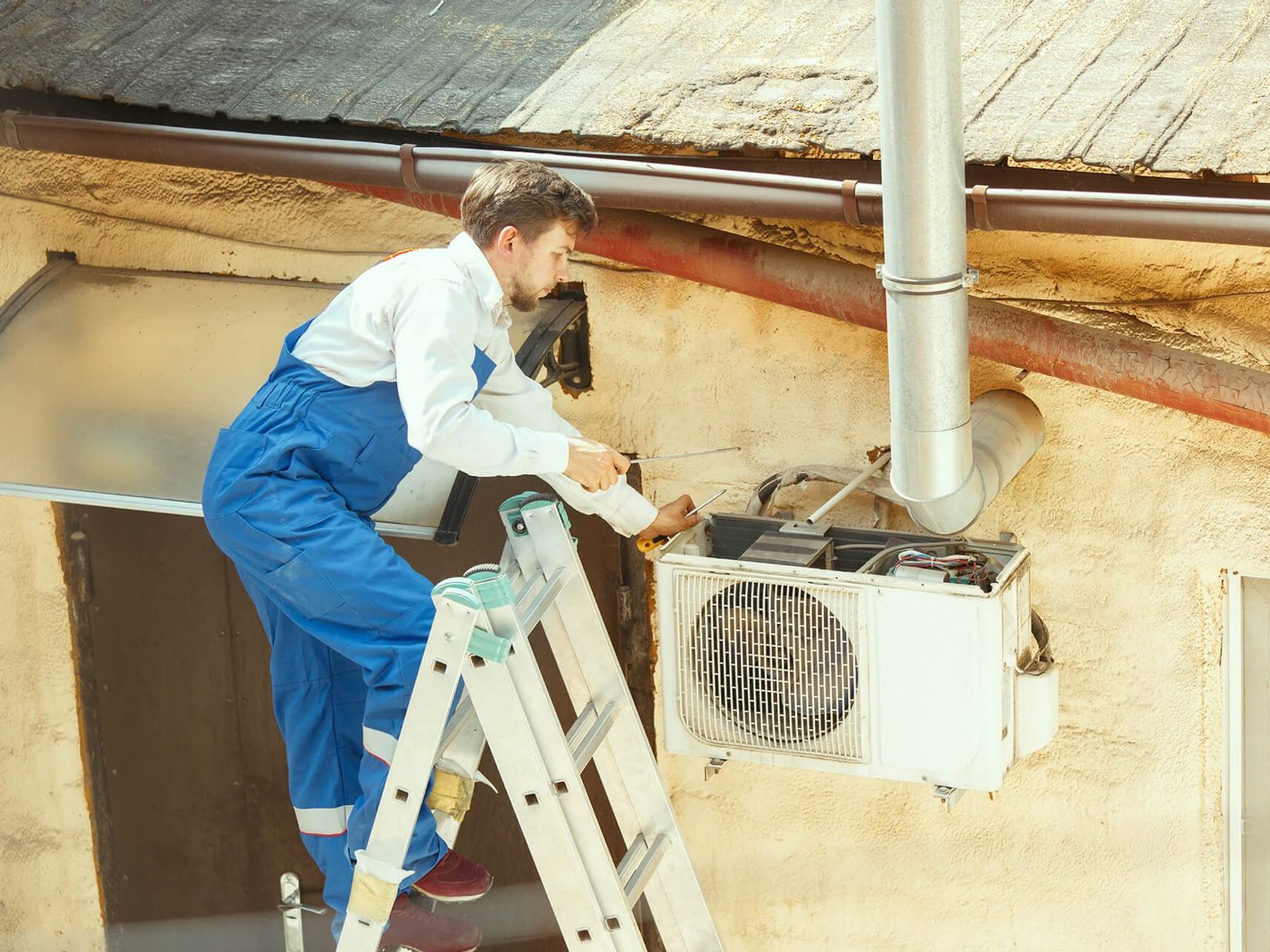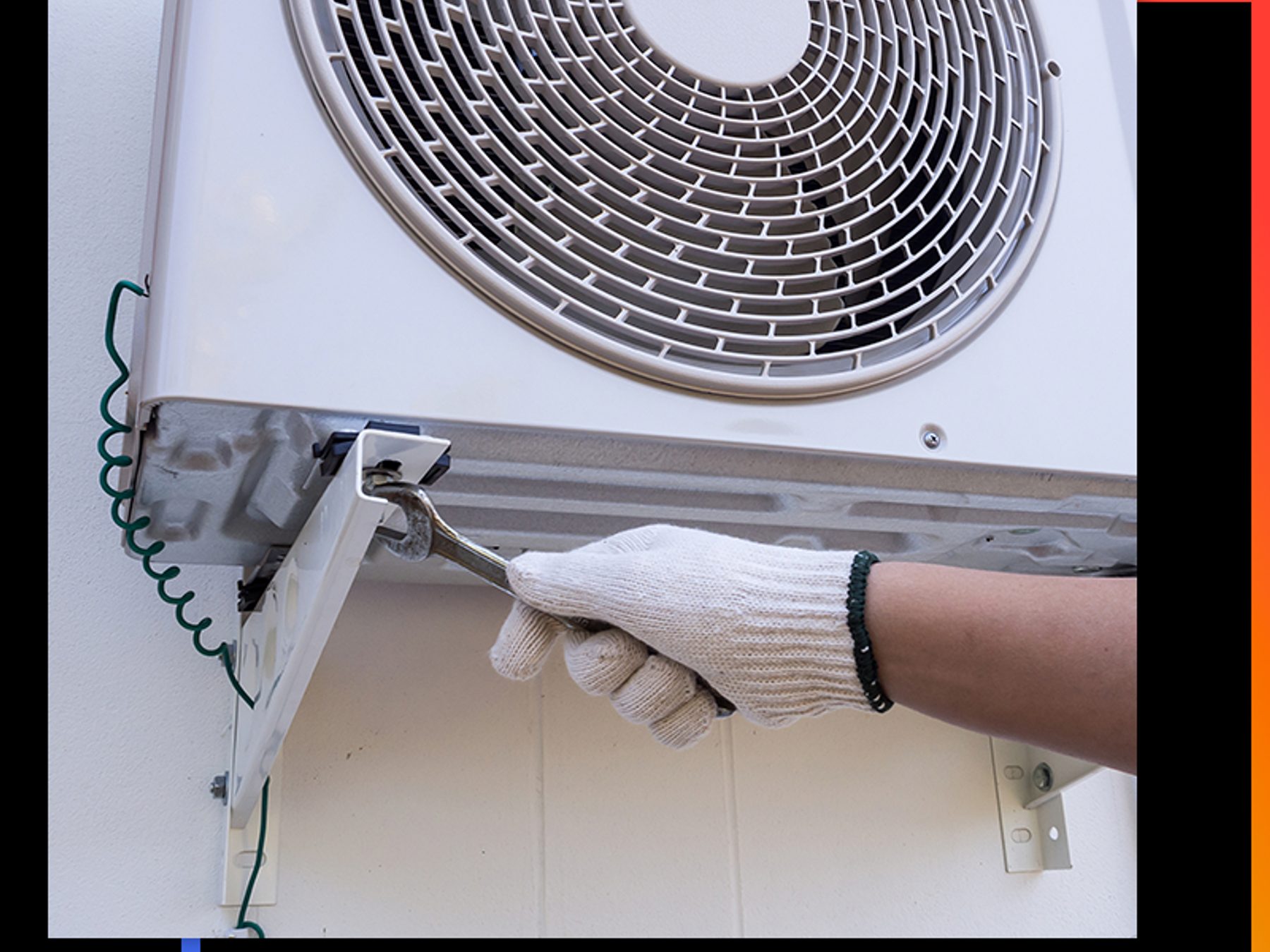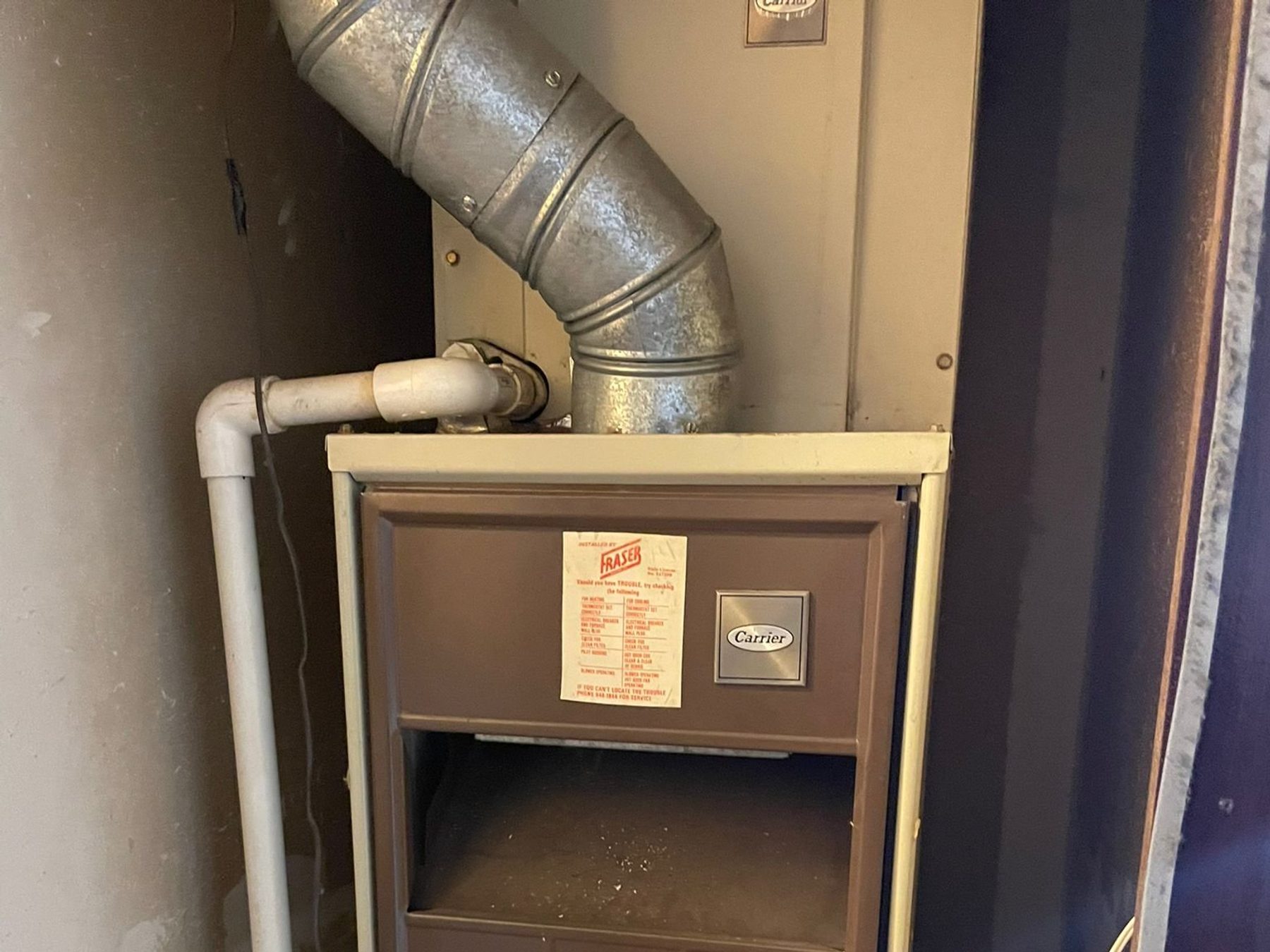
Something is wrong with the system and you want to know what it is before you pay anyone to find out. This page is arranged by issue, in the words people actually use, so you can find the one that matches your house and get straight to the checks that are safe to do yourself.
Every issue here follows the same pattern: what it usually means, what you can check safely, where the line sits between homeowner work and technician work, and what it costs when it does need a professional. None of the checks will diagnose a system, but they will tell you whether it is worth calling, and they will save you paying somebody to look at something you could have looked at yourself. On every issue below, the price depends on the fault, and we quote it in writing before any work starts.
How to use this hub
Start with the issue, not with a diagnosis. Read the paragraph that says what it usually means, then work through the checks in order. If a check makes you stop, stop there and call. If you get through all of them and nothing changes, the fault is behind a panel, a gauge or a meter.
Two rules hold throughout. Never work on a refrigerant line, a gas appliance or inside the electrical panel. And never ignore a burning smell, a gas smell or a carbon monoxide alarm. Leave the house and call for help.
| Issue | What it usually means |
|---|---|
| Runs but does not cool | Thermostat, dirty filter, blocked condenser, low refrigerant |
| Will not turn on at all | Batteries, a tripped breaker, the safety switch |
| Not evenly cool | Ducts, blocked returns, thermostat placement |
| Water under the outdoor unit | Condensation running off the refrigerant lines |
| Short cycling | Dirty coil, low refrigerant, a badly placed thermostat |
| Furnace will not ignite | Gas supply, igniter, flame sensor, limit switch |
| Furnace runs, house stays cold | Gas valve, igniter, airflow, closed vents |
| Heat pump runs, will not heat | Reversing valve, defrost control, thermostat mode |
| Ice on the outdoor unit in winter | Normal defrost, or a defrost or refrigerant fault |
| Thermostat unresponsive | Batteries, a reset schedule, a wiring fault |
| A new noise | Bearing, belt, loose panel, refrigerant |
| Energy bill keeps rising | Dirty coils, low refrigerant, an undersized system |
Cooling problems
The AC runs but does not cool
The full guide: AC running but not cooling.
The most common call we get. The usual causes are a short list: the thermostat is in heat mode, the filter is dirty enough to have iced the coil, the outdoor unit is buried in weeds, the charge is low because of a leak, or the system is too small for the house.
- Set the thermostat to cool, below the room temperature.
- Replace the filter if you cannot see light through it.
- Clear weeds and leaves from around the outdoor unit.
- Check the fan spins and that air comes out of every supply register.
- Move furniture off any return vent.
Stop and call a licensed technician if the outdoor fan is not spinning, if you see oil near the refrigerant lines, or if the unit runs constantly with no cool air. Refrigerant work needs a certified technician, and topping up a leak is not a repair. The price depends on the fault.
The AC will not turn on at all
The full guide: AC running but not cooling.
Nothing happens when you call for cooling. Usually the thermostat has lost power, the breaker has tripped, the safety switch is off, or the system is waiting on a thermostat that is not talking to it. It is also worth checking whether the mode was changed by accident.
- Check the thermostat screen. If it is blank, replace the batteries.
- Reset the schedule after changing the batteries.
- Check the circuit breaker and reset it if it has tripped.
- Check the disconnect switch by the outdoor unit is on.
- Try cool and fan modes to see if power reaches the indoor unit.
Stop and call a licensed technician if the breaker trips again the moment you reset it, if you see scorch marks on the disconnect switch, or if the switch is warm. Electrical faults are not homeowner work. The price depends on the fault.
The AC is on but the house is not evenly cool
The full guide: hot and cold rooms.
One room is fine and the rest is warm, or the bedroom is cold while the living room is hot. This is usually a duct problem rather than an equipment problem: undersized ducts, a crushed flex run, a section come loose in the attic, a blocked return vent, or a thermostat next to a window that heats up in the afternoon.
- Open every supply register and close the ones you do not use.
- Move furniture, rugs and stored items off the return vents.
- Check the thermostat is not next to a window or a fireplace.
- Hold your hand at each register and note which rooms get cold air.
- Check the filter, because a restricted filter starves the far rooms.
Stop and call a licensed technician if the warm and cold rooms follow a pattern that suggests a disconnected or crushed duct run. Duct work needs a camera inspection, and the ductwork scope on a job is decided by the condition of the runs. New equipment will not fix a duct problem.
There is water under the outdoor unit
The full guide: water under the outdoor unit.
Usually harmless. The refrigerant lines get cold, moisture in the outside air condenses on them and drips onto the ground. That is not the unit leaking. It becomes a problem if the water is oily, if it comes from inside the cabinet, if the drain line is blocked, or if it pools near the disconnect switch.
- Look where the water sits. Under the lines is condensation.
- Feel the lines. Cold and wet is normal, warm and wet is not.
- Check the drain line is clear and not pinched by grass.
- Look for oily marks or a chemical smell around the joints.
- Keep stored items away from the disconnect switch.
Stop and call a licensed technician if the water is oily or smells chemical, if it is standing inside the cabinet, or if it is within reach of the disconnect switch. A refrigerant leak is not homeowner work. The price depends on the fault.
The system is short cycling
The full guide: short cycling.
It starts, runs a few minutes, stops, and starts again. The usual causes are a clogged filter, a dirty evaporator coil, low refrigerant, a badly placed thermostat, or a system too small for the load. Short cycling also burns far more power than the same system running steadily.
- Replace the filter and run the system for half an hour.
- Move the thermostat away from windows, walls and direct sun.
- Note how long each cycle runs.
- Watch whether the outdoor fan keeps running when the compressor stops.
- Look for ice on the refrigerant lines or the outdoor coil.
Stop and call a licensed technician if there is ice on the lines, if the compressor is running but the fan is not, or if the system short cycles with a clean filter and a new coil. Refrigerant and control faults live behind the service panel. The price depends on the fault.
Heating problems
The furnace will not ignite
The full guide: a furnace that will not turn on.
The thermostat asks for heat and nothing happens. The gas supply, the igniter, the flame sensor and the limit switch are the usual suspects, and so is a tripped breaker. A furnace that fires then shuts off repeatedly is often a limit switch doing its job, which points at a dirty heat exchanger.
- Set the thermostat to heat, above the room temperature.
- Check the circuit breaker for the furnace and reset it.
- Check the power switch on or beside the furnace cabinet.
- Listen for the draft motor, then for the click of the igniter.
- Check whether a carbon monoxide alarm has gone off.
Stop and call a licensed technician if you smell gas. Leave the house first and call the gas emergency line from outside. Gas appliance work is licensed work, and the limit switch and heat exchanger are safety devices you should not touch. The price depends on the fault.
The furnace runs but the house stays cold
The full guide: a furnace that will not turn on.
The blower is running and you can hear the system working, but the rooms stay cold. With no burner noise, the gas valve is not opening or the igniter is not lighting. With the burner running and the air still cool, the problem is more likely airflow, a closed vent, or a system that is too small.
- Check the filter and replace it if it is dirty.
- Turn the thermostat up and confirm the blower starts.
- Open the closed supply registers and check for warm air.
- Move furniture blocking a return vent.
- Check the thermostat schedule covers the hours you are home.
Stop and call a licensed technician if the blower runs but you hear no burner, if the burner lights and the system shuts off within a minute, or if the air at the registers is cold while the furnace sounds normal. Igniters, flame sensors and gas valves are technician work, and the price depends on the fault.
The heat pump runs but will not heat
The full guide: a heat pump that runs but will not heat.
A heat pump is a reversible machine. The same outdoor unit cools in summer and heats in winter by reversing the refrigerant flow through a reversing valve, and it runs a defrost cycle in cold weather to shed ice. When it runs but will not heat, the cause is usually the thermostat mode, a stuck reversing valve, a defrost cycle that never ends, or backup heat not being called in.
- Check the thermostat is set to heat and the fan to auto.
- Watch the outdoor fan. If it is not spinning, it is not running.
- Listen for the hum of the reversing valve and the hiss of defrost.
- Check the filter and that air comes out of the supply registers.
- Check whether the backup heat strips are running.
Stop and call a licensed technician if the outdoor fan runs but no heat reaches the registers, if the system is stuck in a permanent defrost cycle, or if you hear ice melting without the house ever warming up. Reversing valves and defrost controls are specialist work, and the price depends on the fault.
Ice builds on the outdoor unit in winter
The full guide: ice on the outdoor unit in winter.
A thin layer of ice on the outdoor unit of a heat pump in winter is often normal. Heat pumps deliberately freeze up slightly so the outdoor coil can shed heat during a defrost cycle, then melt themselves. Ice that never clears is the real problem, and the causes are low refrigerant, a failed defrost control, a stuck reversing valve, or a blocked drain line.
- Leave the unit alone for an hour and watch whether the ice melts.
- Check the base for a puddle afterwards, which points to a blocked drain.
- Remove snow and ice with a plastic shovel or a soft brush, never metal.
- Check the air filter inside, because low airflow makes ice build up.
- Look for ice forming on only one side of the coil.
Stop and call a licensed technician if the ice does not clear within an hour, if it returns the same day every time, or if you see oil around the unit. Persistent ice means a refrigerant or control fault, and gauges are needed to tell the difference. The price depends on the fault.
Controls, noise and running costs
The thermostat is unresponsive or the schedule is not holding
The full guide: a thermostat that is not working.
Most thermostats are simple devices running on batteries or a low voltage signal, and most problems are batteries, a reset schedule or a programming mistake. Others are a wiring fault, a control board that has lost communication, or a thermostat wired to equipment it was never meant to control.
- Replace the batteries and reset the schedule, clock and date.
- Check the mode is cool or heat and the fan is on auto.
- Make sure nobody has enabled a hold or permanent override.
- Check the breaker and press the reset button on the indoor unit.
- Compare the reading with a thermometer on the wall.
Stop and call a licensed technician if new batteries and a reset do not fix it, if the thermostat shows an error, or if the system runs constantly with the thermostat switched off. Wiring and control boards are technician work. The price depends on the fault.
The system makes a noise it did not used to make
The full guide: HVAC noises and what they mean.
Noise is diagnostic. A squeal that starts with the blower is usually a bearing or a slipping belt. A rattle that comes and goes is often a loose access panel or a disconnected duct. Clicking at startup points at the contactor or a failing capacitor. Gurgling or hissing points at refrigerant. Ice cracking on the outdoor coil in winter is a defrost cycle.
- Note when it happens: startup, shutdown, only while cooling, or at first.
- Check for a loose access panel or a vibrating grille.
- Look for debris on the outdoor fan and nothing touching the blades.
- Listen for rattling from the ductwork above the unit.
- Work out whether the noise follows the fan or the compressor.
Stop and call a licensed technician if the noise is a grinding or squealing that continues after the fan spins up, if it suddenly gets worse, or if you hear it with a burning smell. A failing bearing will eventually seize the motor, and that repair could have been a belt. The price depends on the fault.
The energy bill keeps going up
The full guide: why the energy bill keeps going up.
A rising bill on an unchanged house is a symptom, not a mystery. The usual causes are a dirty filter and dirty coils, a system too small for the load, a failing capacitor or contactor, low refrigerant, a thermostat clock that has been reset, or equipment old enough that it works much harder for the same result.
- Compare the bill with the same month last year.
- Check the filter and the thermostat schedule, including the clock.
- Look for debris around the outdoor unit and check the fan runs.
- Check whether the system runs on without reaching the set temperature.
- Check for ice on the outdoor unit in winter.
Stop and call a licensed technician if the system runs constantly and never reaches the set temperature, or if the bill keeps rising after the filter and schedule are corrected. We will give you the arithmetic on repair against replacement, and we quote the exact price in writing before anything is ordered. For a single repair, the price depends on the fault.
What to note before you call anyone
Five minutes of notes makes a service call faster, more accurate and easier to quote, because the technician arrives knowing what to look for.
- When it started, and what was happening just before. The time of day, and whether it stopped and then started again.
- What the system is doing now. Whether the fan runs, whether you hear a burner, whether air comes from the vents, and how warm or cool it feels.
- The model and the age. The data plate on the outdoor unit and on the furnace.
- Any recent work. A filter change, a new thermostat, a repair, a renovation, or a new appliance in the house.
- What you have already tried. So the same thing does not get tested twice.
When to stop and call a licensed technician
Every check on this page assumes you are staying safely inside your own competence. These are the situations where you stop, for good reasons.
- Any work that opens a refrigerant line, recovers refrigerant or measures a charge. Refrigerant handling is legally certified work, and adding refrigerant without finding the leak is not a repair.
- Any gas appliance work, including an igniter, a flame sensor, a gas valve or a limit switch.
- Anything inside the electrical panel or the disconnect switch beyond resetting a breaker.
- A cracked heat exchanger, which is a carbon monoxide safety issue and not a repair.
- Any smell of gas, a burning smell, smoke or a carbon monoxide alarm. Leave the house and call for help.
- Water that has reached the unit, the switch, the panel or the ceiling void.
- Any job on a roof, a ladder, or in a confined crawl space without the right equipment.
RB HVAC Inc. is a licensed HVAC contractor in Stockton, licensed in California under number 1094161, rated 4.9 across 215+ Google reviews. We serve Stockton, Sacramento, Modesto, Roseville, Lodi, Tracy, Elk Grove, Manteca, Lathrop and surrounding Northern California communities. We charge an upfront diagnostic fee for in-person service visits, with all repair pricing agreed in writing before work starts. We also offer a free phone call for installation guidance, and flexible financing for all credit scores.