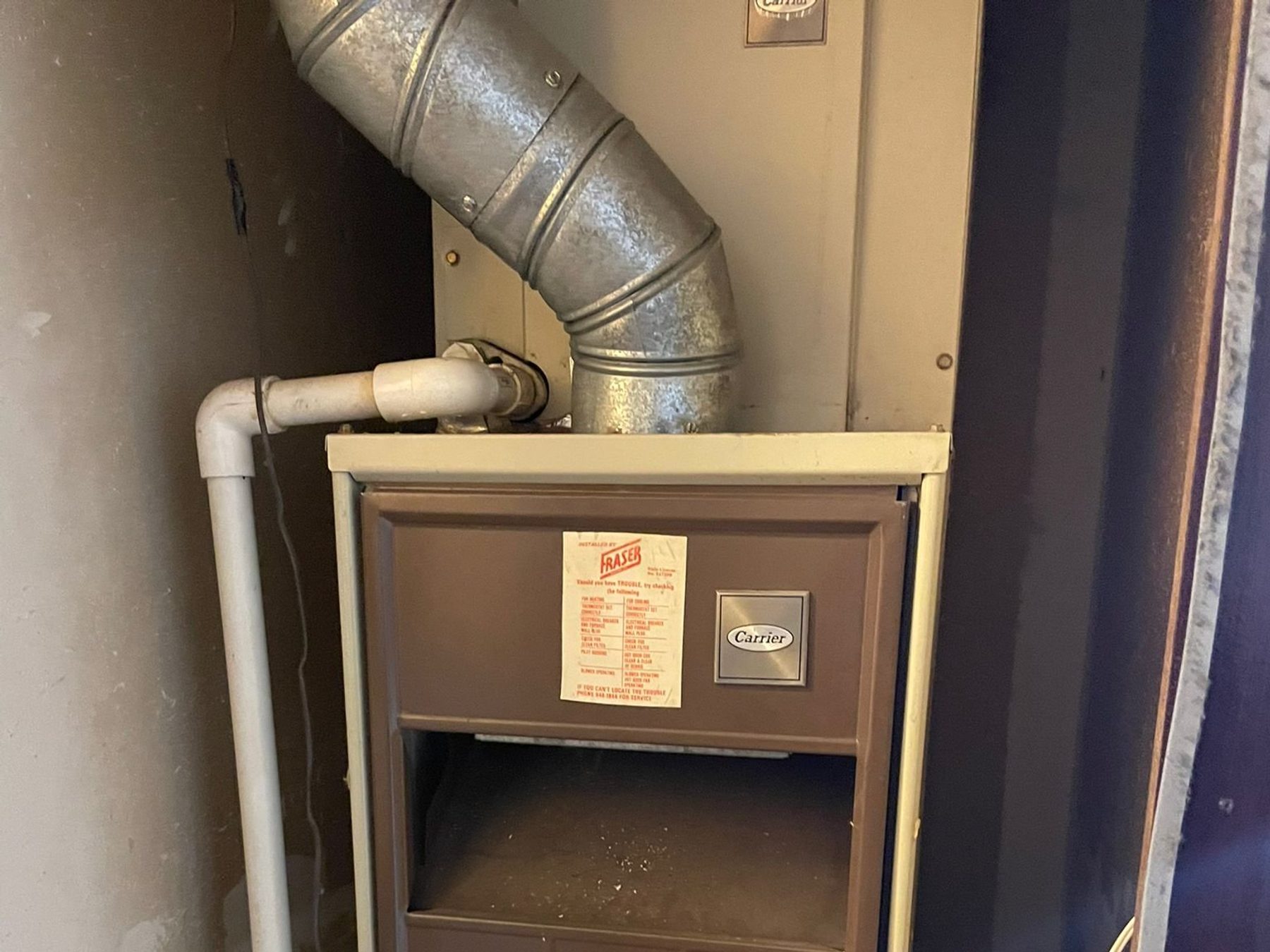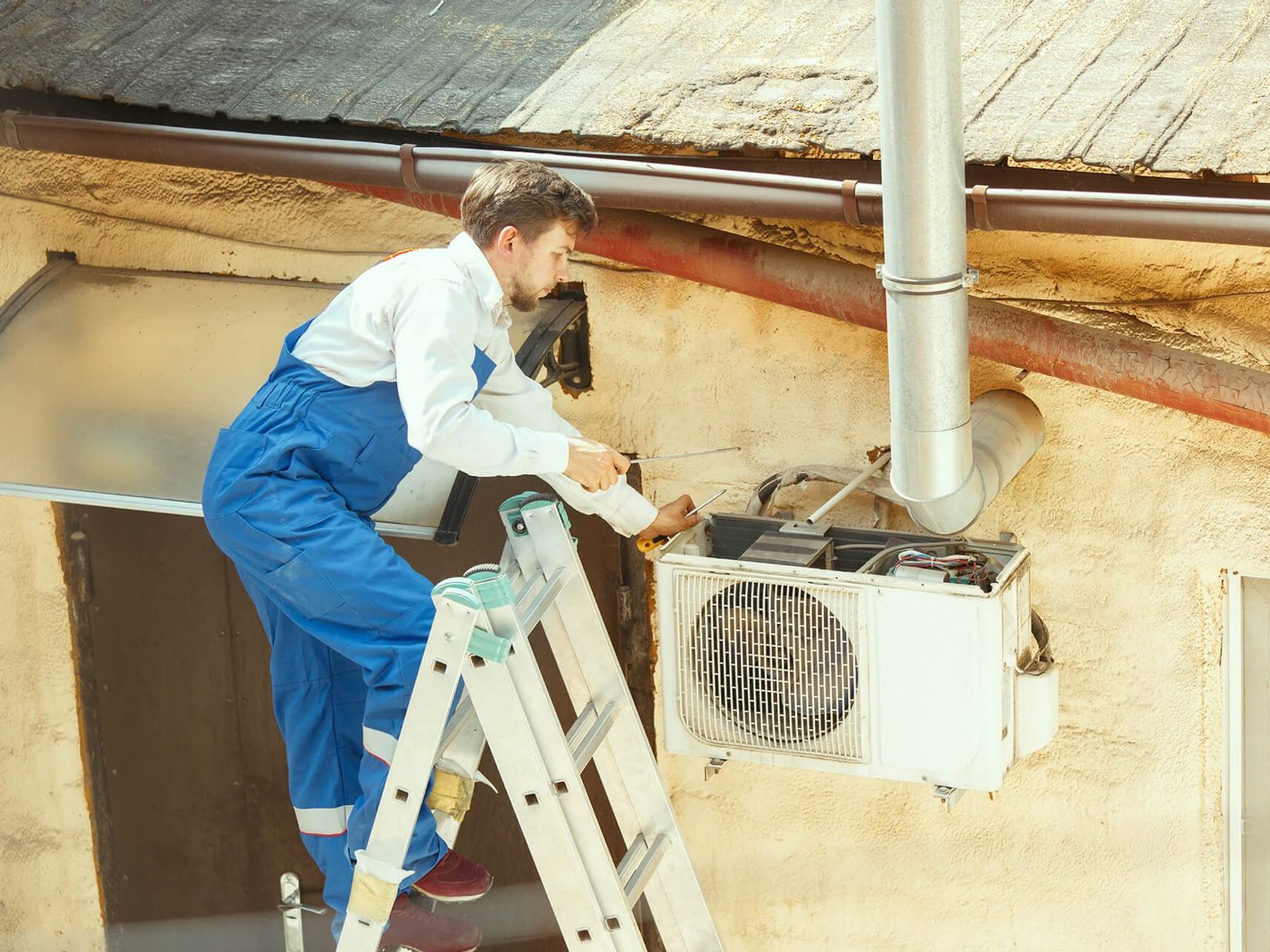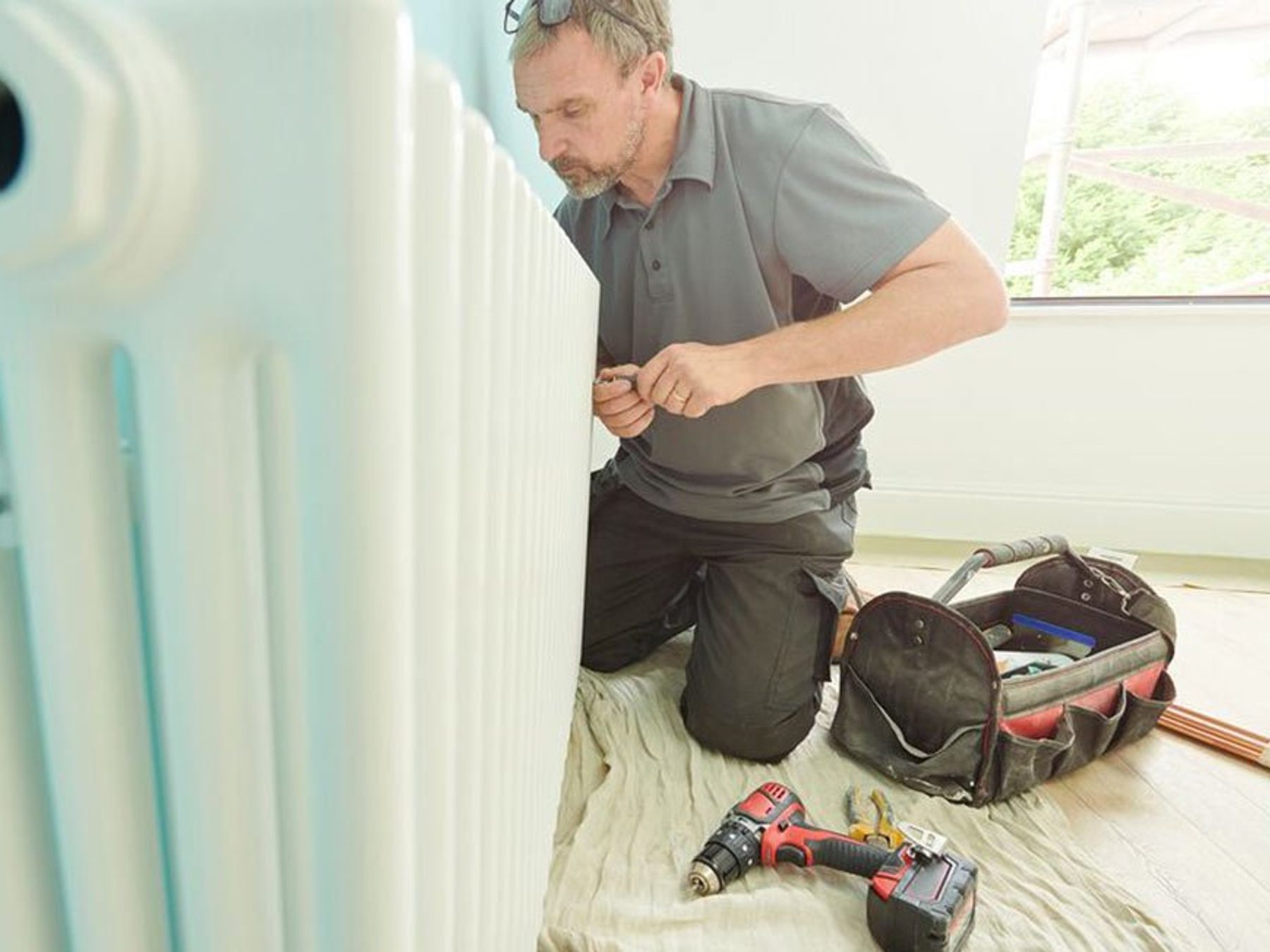
Most HVAC faults are not exotic. They are the same handful of problems showing up in the same handful of shapes, and once you can name the symptom you can usually narrow the cause down.
This page is a reference. It maps a problem to its likely cause and its fix, so you can tell whether you are looking at a filter, a coil, a duct or a failed part. Our ac troubleshooting guide covers the step by step checks you can run safely yourself.
What are the most common hvac problems?
In rough order of how often they turn up in homes around Stockton, Lodi, Modesto and Sacramento: the system runs but does not cool properly, the system will not start at all, short cycling, uneven temperatures from room to room, and energy bills that keep climbing.
Less common but more urgent: water under the outdoor unit, water inside the house, a burning smell and a musty smell at start up. One fault can produce several symptoms at once, which is why the table below lists causes rather than guesses.
Problem, cause and fix side by side
| Problem | Usual cause | Fix |
|---|---|---|
| Air is warm but the system is running | Dirty filter or coils, low refrigerant from a leak, or a failing compressor | Restore the airflow, repair the leak, or replace a seized compressor |
| The system will not start | Tripped breaker, dead thermostat batteries, a failed capacitor | Reset the breaker, replace the batteries, test the capacitor and wiring |
| The system keeps starting and stopping | Clogged filter, low refrigerant, a dirty coil, or a system that is too large | Change the filter, check the charge, clean the coil, confirm the sizing |
| Some rooms are hot, others are cold | Duct leaks, blocked registers, a failed blower, the wrong system size | Open the registers, seal the ducts, test the blower, check the sizing |
| Rattling, scraping, squealing or humming | Loose panels, a failing motor bearing, a worn belt, a fan hitting its cage | Secure the panels, replace the belt, balance or replace the motor |
| Water pooling under the outdoor unit | Normal condensation, or a cracked coil with a fan that will not move the heat | Nothing to do if it drains away, otherwise repair the coil and fan |
| Water on a ceiling or in a cabinet | Blocked condensate drain, a cracked coil, a leaking supply pipe | Clear the drain, then repair the line, the coil or the pipe |
| Energy bills rising with no change in use | Dirty coils, a dirty filter, leaking ducts, an ageing system | Clean the coils, change the filter, seal the ducts, check the efficiency |
| A musty smell when the system starts | Dust, debris or mould in the ductwork or on the coil | Clean the coil and the ductwork, improve the filtration |
| A burning or hot electrical smell | A failing motor or capacitor, a loose connection, dust on a burner | Switch the system off and have it checked before you run it again |
The most common HVAC problems in Stockton are rarely a ruined compressor. They are a dirty coil, a clogged condensate drain or a capacitor that is about to fail, and all three are ordinary, fixable faults.
Why the same faults keep coming back
Three things explain most repeat visits we see.
- Maintenance that got pushed back. A dirty filter, dirty coils and a clogged drain line are slow faults. They make everything work harder until something gives out.
- Duct problems that were never looked at. Up to 30 percent of heated or cooled air can be lost through leaks, so a system can be in perfect order and still fail to keep the house comfortable.
- A system sized for a house that has changed. Additions and closed off rooms change the load. A system that is too large short cycles, one that is too small runs constantly.
How to narrow a fault down in four steps
Before you take anything apart, work through these four questions. They take a few minutes and they point you at the right row of the table above.
- Write down the exact symptom. Not "the AC is broken" but "warm air from the vents after ten minutes of running". The detail is what narrows the cause.
- Note when it happens. Time of day, which mode, which room and whether it only happens on hot days.
- Check the two things you can check in under a minute. The filter and the thermostat. A clogged filter or a dead battery explains a surprising share of what looks like a breakdown.
- Look at the outdoor unit and the drain pan. Is the fan turning? Is the condenser wet all over or only in one spot? Is there water in the base of the indoor cabinet? That separates a cooling fault from a drainage fault.
How urgent is what you are seeing?
Most of the table above is a this week problem. A few of it is a today problem.
- This week: air that is slightly less cool than it should be, a system that runs longer than it used to, or a musty smell at start up.
- Today: water indoors from a vent or cabinet, ice on the lines in warm weather, or a compressor that hums without starting.
- Right now: a burning or hot electrical smell. Switch the system off at the thermostat and the breaker first.
When to stop and call a licensed technician
Some of the problems in this list are safe to sort out on your own. Some are not. Put the tools down and call a licensed HVAC technician if you see any of these.
- A burning, hot or electrical smell. Switch the system off at the thermostat and the breaker first.
- Water dripping into the living space or pooling around the furnace.
- A breaker that trips again the moment you reset it.
- Ice or frost on the refrigerant lines in warm weather.
- An oily, stained or corroded refrigerant line, which is a leak sign.
- A compressor that hums but never starts, or a fan motor that is hot.
- A gas furnace that will not light, or a flame that is yellow or orange.
Do not open a refrigerant line and do not work inside the electrical panel beyond resetting a breaker. Those jobs need a licensed technician with the right tools. RB HVAC Inc. holds California HVAC license number 1094161, and we quote the price in writing before any work starts.
What keeps this list from getting longer
Almost every fault in the table above is cheaper to prevent than to fix. A filter change, a coil clean, a clear drain line and a check of the ductwork and the electrical connections is the same ten step service we recommend before every summer, and it is what stops a small problem from turning into a replacement.
Most residential systems benefit from professional maintenance at least once or twice a year, and commercial systems should be serviced twice a year. We service Stockton and surrounding communities, so if you are not sure which line in the table you are on, book a diagnostic service and we will tell you plainly which fault it is with upfront written pricing before we start.