The outdoor unit is running, the fan is turning, and the house is cold. That narrows the field. A dead compressor stops the unit. A dead thermostat stops the unit. When the machine hums and the house stays cold, the heat is not being made.
What a heat pump is, and why it has to defrost
A heat pump does not burn fuel to make heat. It moves heat, using refrigerant, a compressor, two coils and a fan. In the summer it carries heat from your house out to the yard. In the winter it carries heat from the yard into your house, and the outdoor coil pulls that heat out of cold outdoor air.
Here is the catch. When the outdoor air gets cold enough, the heat in it is hard to pull out. The refrigerant in the outdoor coil goes colder than the air around it, moisture freezes on the coil, and you get a shell of ice. That ice is not a fault. The normal answer is a defrost cycle, where the controller reverses the flow so warmer refrigerant melts it off.
So the line is simple. Ice that builds up and clears on its own, usually inside an hour, is the system working normally. Ice that keeps building and never clears, or ice that returns every few hours, is a fault. A coil that stays frozen means the defrost cycle is not finishing.
The seven causes
Seven causes cover almost every heat pump that runs without heating. The simple ones come first.
- The thermostat is set to cool instead of heat, so the machine never asks for heat
- The thermostat schedule is set wrong, so the system sleeps while you are home
- The reversing valve is stuck in the cooling position, so the refrigerant never switches direction
- The defrost cycle has failed, so the outdoor coil stays locked under ice
- The refrigerant charge is low, so there is not enough working fluid to carry heat
- The reversing valve solenoid or the control board has failed, so the machine cannot switch
- The backup heat strips are not being called when they should be
Five checks you can make yourself
- Check the mode on the thermostat. It should say heat, not cool. A system on cool runs the outdoor unit all afternoon and leaves the house exactly as cold. Change it and give it half an hour.
- Check the schedule on the thermostat. On a programmable model, look at the clock and the program. A system on an away schedule, or holding the night temperature all day, will not heat the house.
- Watch the outdoor unit. If the fan is turning during a heating cycle, that is useful information to pass on. If the fan is stopped and the unit is cold, the fault may be the fan or the control.
- Look for ice on the outdoor coil. A thin even layer that melts within the hour is normal. Thick ice, ice that never clears, or ice on one side only means the defrost is not doing its job.
- Check whether the thermostat is stuck on emergency heat. If the system keeps calling for auxiliary heat, the heat pump cannot keep up or cannot run at all. That is a control fault until the refrigerant has been measured.
Where the technician line starts
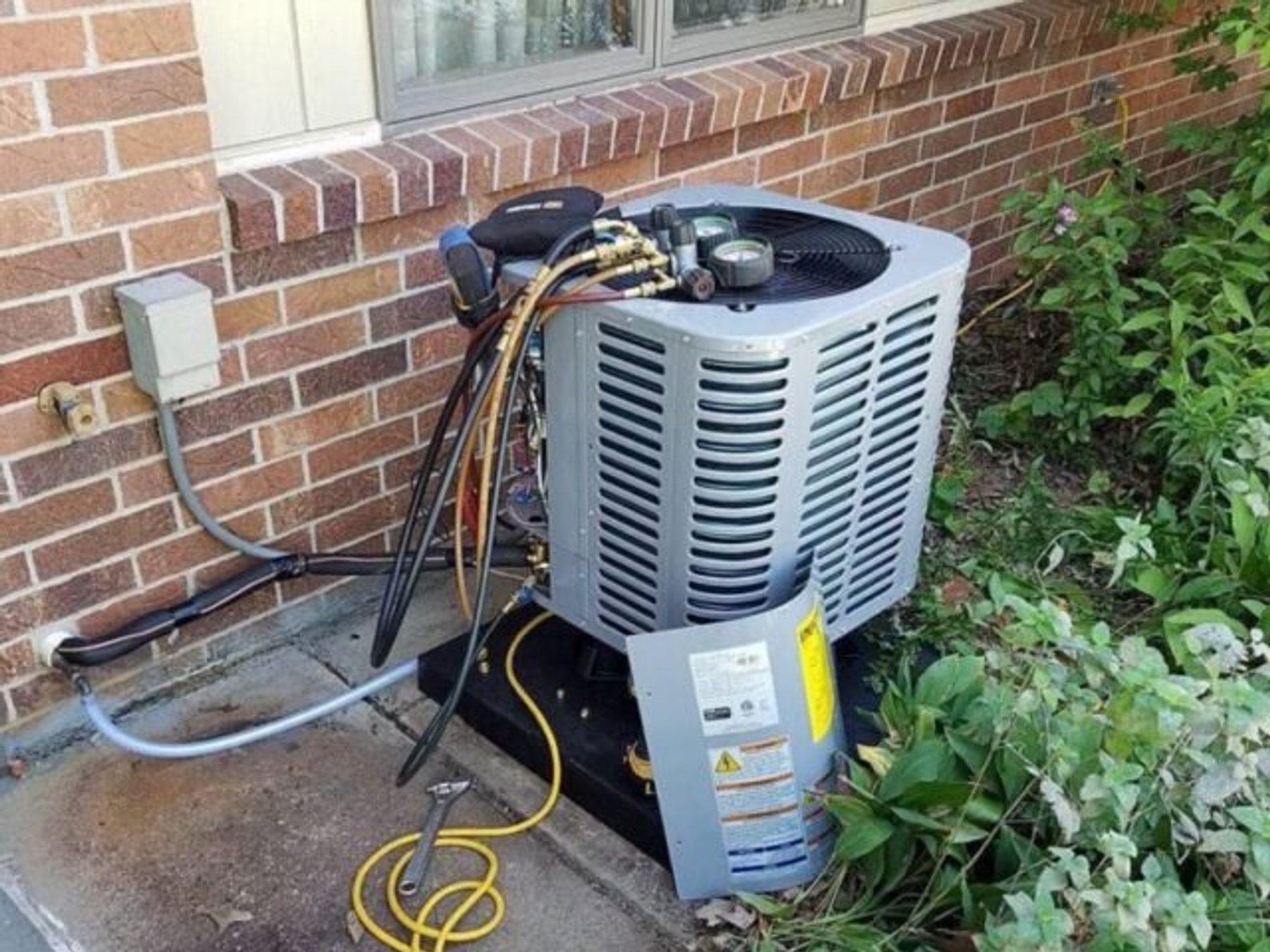
Two jobs on this list are not yours, however handy you are. The refrigerant lines and the control board sit behind a service panel on the outdoor unit, which most people still call the condenser unit, and the service disconnect beside it is technician work. Adding refrigerant means finding the leak first, and that needs gauges.
Stop and call a licensed technician if the outdoor unit is running and the house is cold, if the unit will not come out of defrost, if the thermostat sits on emergency heat, or if you hear hissing at the lines. The rest of the list you can work through on your own.
| Cause | How it shows up | Who can fix it |
|---|---|---|
| Thermostat set to cool | Outdoor unit runs, blower moves cool air, house stays cold | You, in a minute |
| Schedule set wrong | System sleeps or holds the wrong temperature while you are home | You, in a minute |
| Reversing valve stuck | Runs in one mode only, house stays cold, no ice on the coil | Technician |
| Defrost cycle failed | Ice builds on the outdoor coil and never clears, unit shuts down | Technician |
| Low refrigerant charge | Weak heat, long run time, ice on the outdoor coil | Technician |
| Failed solenoid or control board | Unit will not switch modes, or it shows a fault code | Technician |
| Backup heat strips not called | House warms in stages, or the fan runs and nothing happens | Technician |
A heat pump on emergency heat, or locked in defrost, is talking about its controls before it is talking about its refrigerant. Measure the charge first. Adding refrigerant to a machine stuck in defrost does nothing.
What happens when we come out
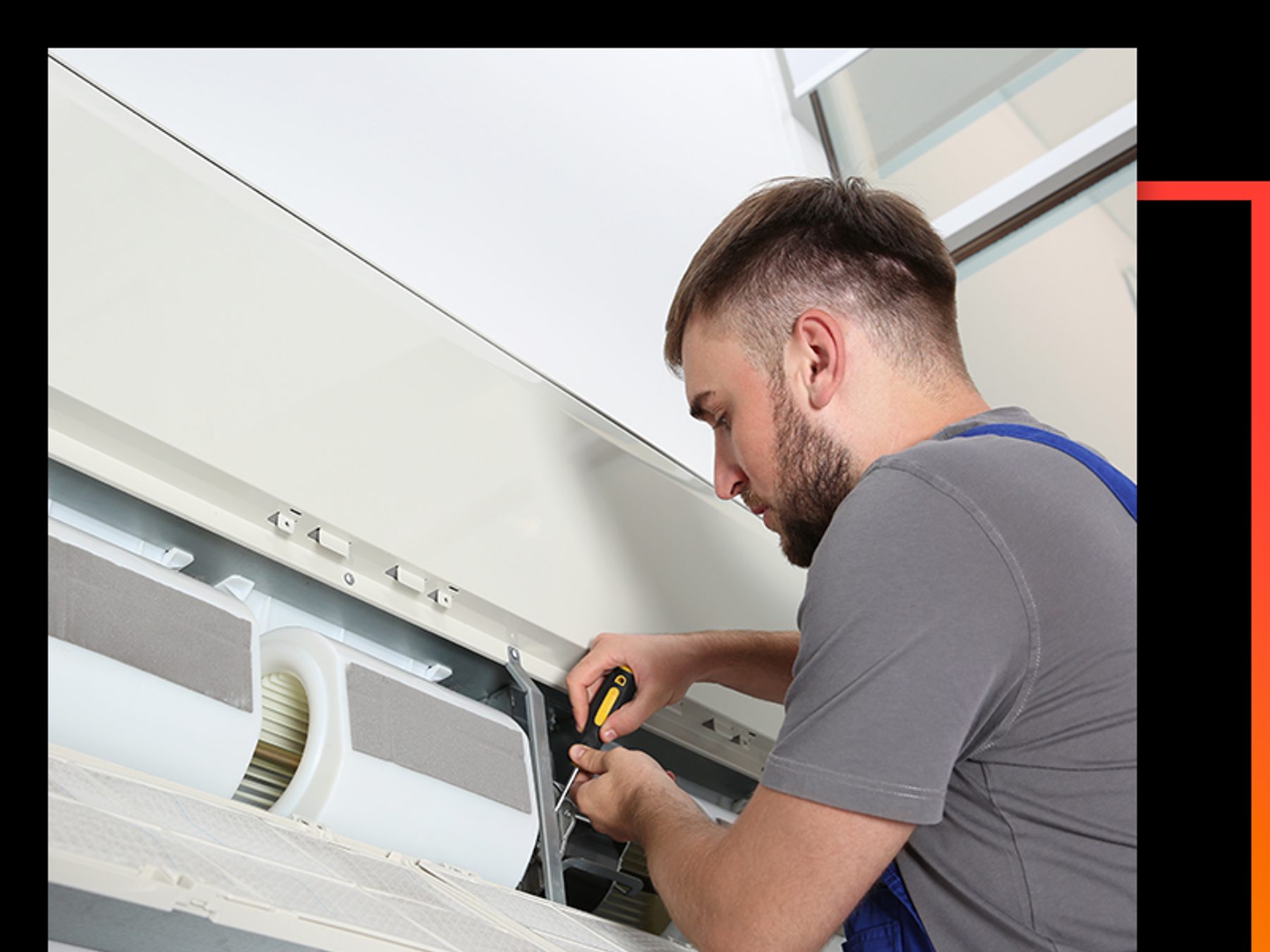
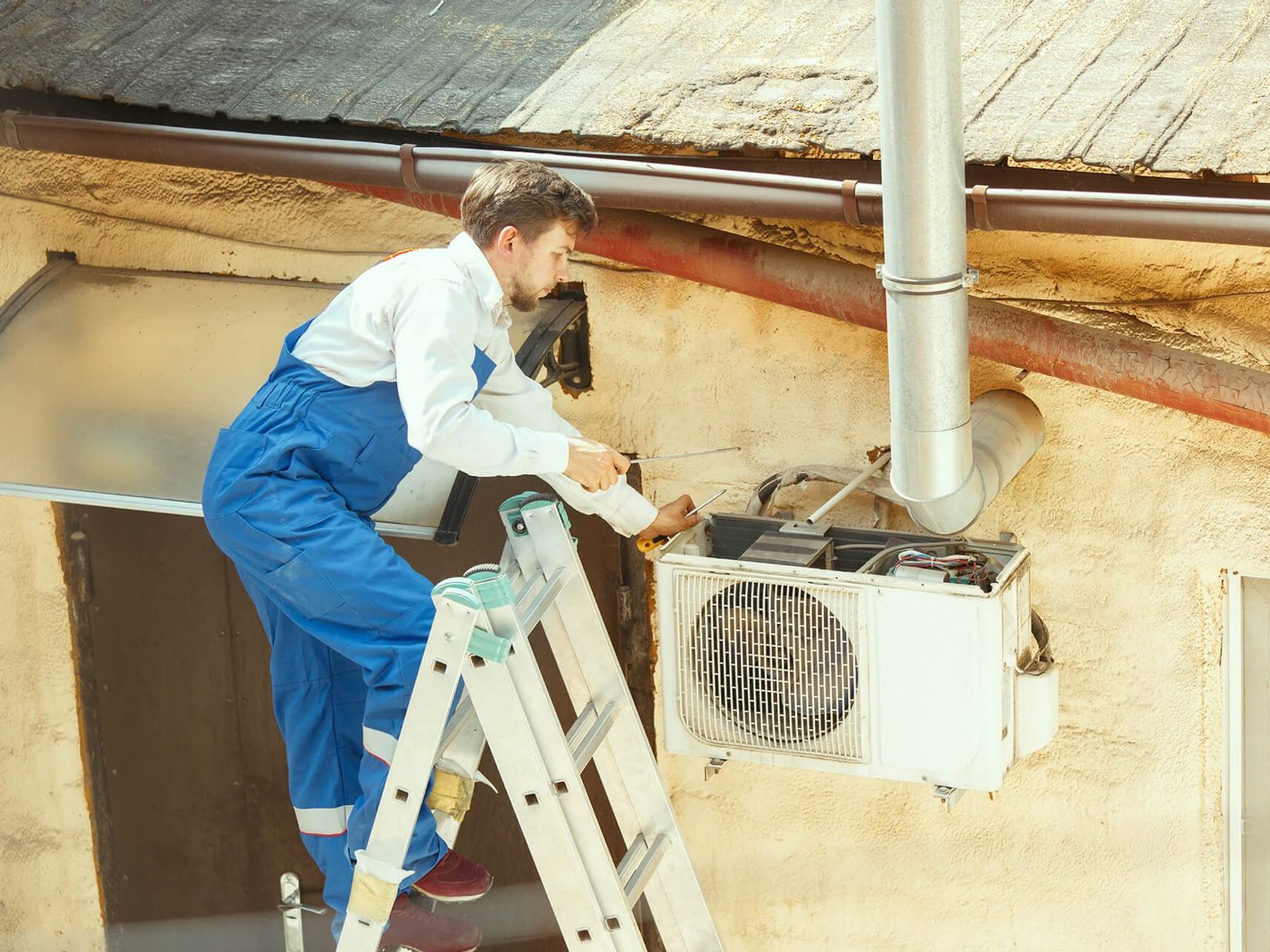
We start at the thermostat, because everything downstream depends on what it is asking for. Then we put gauges on the lines and read the charge, the superheat and the subcooling, and we take temperatures across both coils. We watch the unit go into defrost and come back out, then test the reversing valve solenoid, the defrost controls and the board, and check that the backup heat strips get called. The fault is written down and the price agreed in writing before anything comes apart.
The honest version
If you would rather have somebody look at it, our heat pump services page explains how we handle a fault like this, and the symptom hub lists the rest of the symptoms we get called about, one at a time.
Most of the time the machine was never at fault: the thermostat is on the wrong setting, or the schedule was changed and forgotten. Where it is a real fault, it is nearly always on the control side, a failed defrost control, a solenoid that has given up, or a board that no longer switches the valve. Refrigerant does get low too, and that is a leak rather than a shortage. If your heat pump is running and the house is cold, call (209) 351-6000 and tell us what the thermostat shows and whether there is ice on the outdoor unit. We will tell you honestly whether this is a five minute fix or a control fault. RB HVAC Inc. holds California HVAC license number 1094161, and we quote the price in writing before any work starts.